


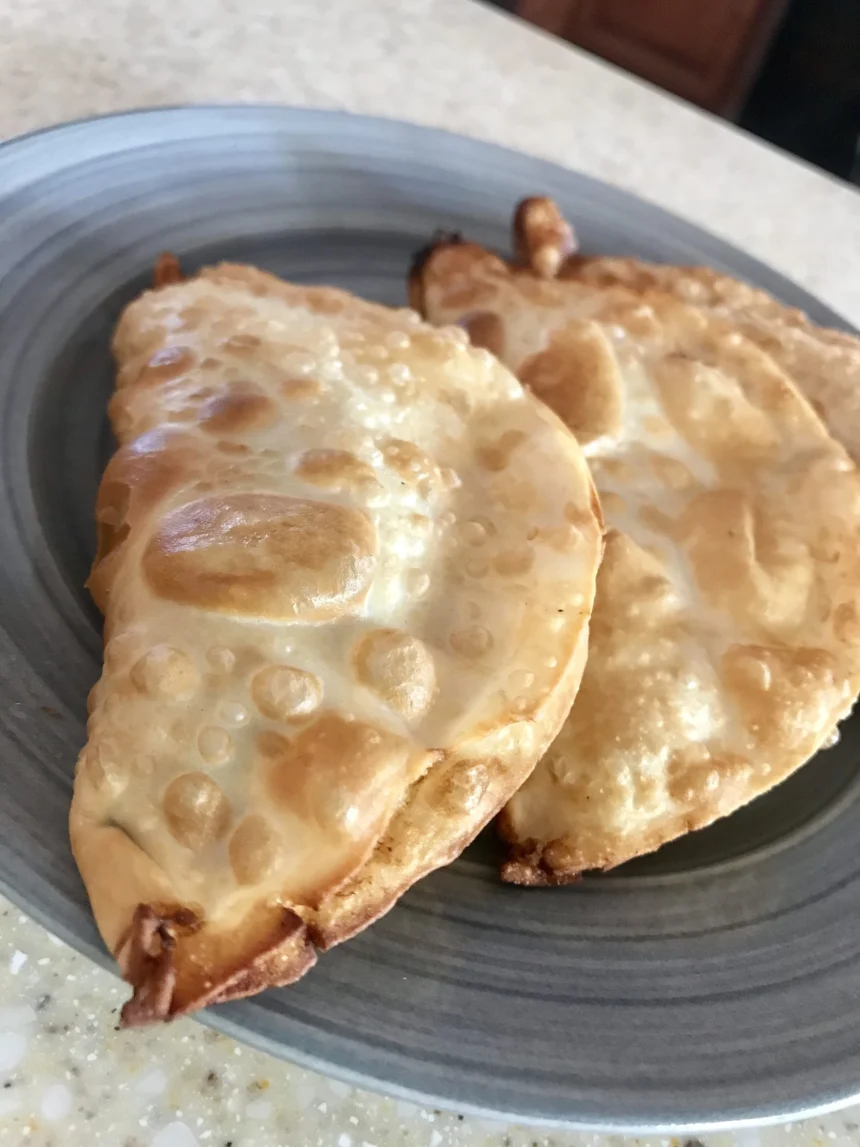
Recipe for Homemade and Crispy Tuna Empanadillas
Introduction
Hello! We are going to prepare some empanadillas classic that will transport you directly to a home kitchen. This recipe is special because we use a dough homemade that is very easy to handle and a filling juicy that balances the flavor of the fish with the sweetness of the poached vegetables. It's that kind of comforting dish that works equally well as an appetizer or light dinner. If you like authentic cuisine, I invite you to discover more ideas at saboresdemicocina.com for inspiration.
- Recipe for Homemade and Crispy Tuna Empanadillas
- Introduction
- Preparation time
- Ingredients
- Utensils we will use
- Preparation
- 1. We prepare the filling (The heart of the recipe)
- 2. We make the homemade dough
- 3. Assembly and cooking
- To finish and serve
- Nutritional Information
- 5 keys to make it perfect
- When is it ideal to enjoy it?
- Comparison table
- Frequently asked questions (FAQ)
- Share your experience
- Culinary glossary
Preparation time
To organize ourselves well in the kitchen, here is the time breakdown based on our reference, ideal for everything to turn out perfectly without rushing:
- Preparation: 30 minutes
- Cooking: 20 minutes
- Total: 50 minutes
- Servings: 8 empanadillas
- Difficulty: Intermediate
Ingredients
The key to good empanadillas lies in the quality of what we put inside. We are going to use simple ingredients that you surely have in your pantry.
For the filling
- 2 cans (160g each) of tuna quality in olive oil, drained
- 2 medium onions
- 2 ripe tomatoes
- 1 red bell pepper
- 2 hard-boiled eggs
- 2 tablespoons of olive oil
- 2 cloves of garlic
- 1 tablespoon of capers (Optional)
- Salt and black pepper to taste
For the dough
- 500g all-purpose flour
- 250ml warm water
- 60ml olive oil
- 1 teaspoon salt
- 1 egg (for brushing the dough)
If you're missing any ingredient in your pantry, don't worry. Red pepper adds sweetness, but if you don't have it, you can use green pepper for a slightly more herbaceous flavor. Capers give a great tangy touch, but if you don't like them or don't have them, many people add chopped olives, which combine wonderfully with the tomato and tuna. If you're looking for a different fish variant, I recommend checking out how we treat the product in recipes like the tuna in lemon sauce, where the quality of the fish is paramount.
Utensils we will use
You don't need professional equipment for this, with the basics from home we'll manage perfectly:
- Large frying pan (for the sofrito)
- Large bowl (for mixing the dough)
- Sharp knife and cutting board
- Rolling pin (or a clean glass bottle if you don't have one)
- Fork (to seal the edges)
- Baking tray
- Pastry brush (or the back of a small spoon to brush with egg)
- Baking paper (parchment paper)
Preparation
We are going to divide the process into logical blocks. The most important thing here is patience with the sofrito and the resting of the dough.
1. We prepare the filling (The heart of the recipe)
- Heat the oil. Place the frying pan over medium heat with the two tablespoons of olive oil. We want it to get hot but without smoking.
- Sauté the aromatic base. Add the onion finely chopped and the minced garlic cloves. Let cook for about 5 minutes until the onion is transparent. This step is vital so that we don't find raw pieces later.
- Incorporate the pepper. Add the red pepper cut into very small cubes. Cook for another 3 minutes, stirring so that it integrates well and begins to soften.
- Add the tomato. We incorporate the diced tomatoes. Let them cook until tender and the liquid has reduced significantly. We don't want a watery filling or it will make the dough soggy.
- Mix the rest of the ingredients. Remove from heat or reduce to minimum. Add the flaked tuna, chopped hard-boiled eggs, and capers (if you decide to use them).
- Season and cool. Season with salt and pepper to taste. Taste to ensure the salt level is right. Now, something crucial: let the filling cool completely before using it.
2. We make the homemade dough
- Mix dry ingredients. In a large bowl, place the flour and salt. Make a small well in the center as if it were a volcano.
- Add liquids. Pour the warm water and olive oil into the center of the volcano.
- Knead. Start mixing with your hands or a spoon until integrated. Then transfer to the table and knead for about 5 minutes until you have a smooth, soft dough that doesn't stick.
- Rest. Form a ball, cover it with a clean cloth or plastic wrap, and let it rest for 30 minutes. This relaxes the gluten and will make rolling easier.
3. Assembly and cooking
- Roll out the dough. With a rolling pin, roll out the dough until it is about 3 millimeters thick. The thinner it is, the crispier it will be, but be careful not to break it.
- Cut discs. We cut circles about 15 cm in diameter. You can use an inverted bowl or a large cookie cutter.
- Fill. We place a generous portion of the filling (already cold) in the center of each disc. Remember to leave a free edge.
- Close and seal. We fold the dough over the filling, forming a half-moon. With a fork, we press all around the edge to seal it well and prevent anything from escaping.
- Brush and bake. We place the empanadillas on the baking sheet on parchment paper. We beat the remaining egg and brush the surface of each one so they turn golden. We bake at 200°C (medium-high heat) for 20 minutes or until you see them golden.
To finish and serve
Once they come out of the oven with that irresistible golden color, let them rest for a couple of minutes on the tray so the dough settles and you don't burn yourself with the first bite. Although traditionally this type of preparation can be made fried, by baking them we achieve a lighter result without losing the crispy touch. Serve them hot or warm. Accompany them with a fresh salad or even a little homemade tomato sauce on the side.
Nutritional Information
Here is an estimate of what each empanadilla provides so you can take it into account in your daily planning:
- Calories: 280 kcal
- Proteins: 12 g
- Fats: 14 g
- Carbohydrates: 25 g
- Fiber: 2 g
Note: Values are approximate per unit and may vary depending on the exact size and brands of ingredients used.
5 keys to make it perfect
As a private chef, I have seen many failed attempts due to small details. Here are my secrets so they turn out perfectly the first time:
1. The filling must be cold: This is non-negotiable. If you put the hot sofrito on the raw dough, the fat and steam will soften the flour and it will break when closing or baking. Patience, let it cool.
2. Don't overfill: It's tempting to put a lot tuna and tomato, but if you fill them too much, they will explode in the oven. Leave a clean 1 cm safety border to be able to seal them well.
3. Sealing is vital: Whether with a fork or by crimping with your fingers, make sure to press well. If there's air or gaps, the juice will leak out and burn on the tray.
4. Double brushing for extra shine: If you want them to be super shiny and appetizing, brush them with egg, let them dry for 2 minutes, and give them a quick second coat before putting them in the oven.
5. Control the tomato moisture: If the tomatoes release a lot of water when cooked, let the sauce reduce well. A filling that is too liquid will soak the base and you'll lose that crispy touch we're looking for.
When is it ideal to enjoy it?
Empanadillas are incredibly versatile. They are perfect for a casual weekend dinner where you want to eat with your hands without complications, or to take in a container to work or a picnic, as they withstand transport very well. In summer, I love serving them as a cold starter alongside a refreshing pineapple and cucumber gazpacho, creating a delicious temperature contrast. They are also a staple at birthdays and family gatherings because they are liked by children and adults alike.
Comparison table
Sometimes we get confused among so many delicious filled pastries. Here's how our recipe today compares to other popular options you might be considering.
| Recipe | Key ingredients | Difference/advantage |
|---|---|---|
| Tuna Empanadillas (Current) | Tuna, tomato, hard-boiled egg | Thin and crispy dough, individual size, quick baking. |
| Argentine Empanadas | Minced meat, cumin, paprika | More spiced and juicy meat filling, different dough. |
| Galician Empanada | Bread dough, abundant sofrito, bonito | Large pie format for cutting, leavened dough. |
| Spanakopita | Spinach, feta cheese, filo pastry | Greek touch, very crispy due to the filo layers. |
| Dumplings (Gyozas) | Pork, cabbage, ginger, rice/wheat dough | Asian style, cooked steamed and pan-fried. |
| Creole pastries | Cheese or meat, puff pastry | They are usually fried and the dough inflates much more. |
| Chicken Empanadas | Shredded chicken, onion, bell pepper | Mild alternative to red meat or fish. |
Frequently asked questions (FAQ)
Share your experience
Cooking is for experimenting and sharing. I'd love to know how yours turned out, if you added your personal touch to the filling, or if you dared to make the dough by hand. Leave your comment below and share your own tips with the community!
Culinary glossary
So you don't get lost with any terms, here I briefly explain some words we have used:
- Sofrito: A technique for cooking vegetables (like onion, garlic, tomato) over low heat in oil so they release their flavor and serve as a base for the dish.
- Brunoise: A way of cutting vegetables into very small and regular cubes, ideal for fillings where we want to find fine pieces.
- Repulgue: It is the decorative fold or seal made on the edges of the empanada to seal it. It can be done with fingers or a fork.
- Pintar (To brush/paint): To apply a thin layer of liquid (usually beaten egg, milk, or oil) onto dough with a brush before baking to give it color and shine.
- Gluten: A protein present in wheat flour that gives elasticity to the dough. It needs to rest to «relax» and allow itself to be stretched without shrinking.
13. This ‘Tuna Empanadillas’ was delicious at home .
14. I loved the combination of flavors in these ‘Tuna Empanadillas’ ❤️.