


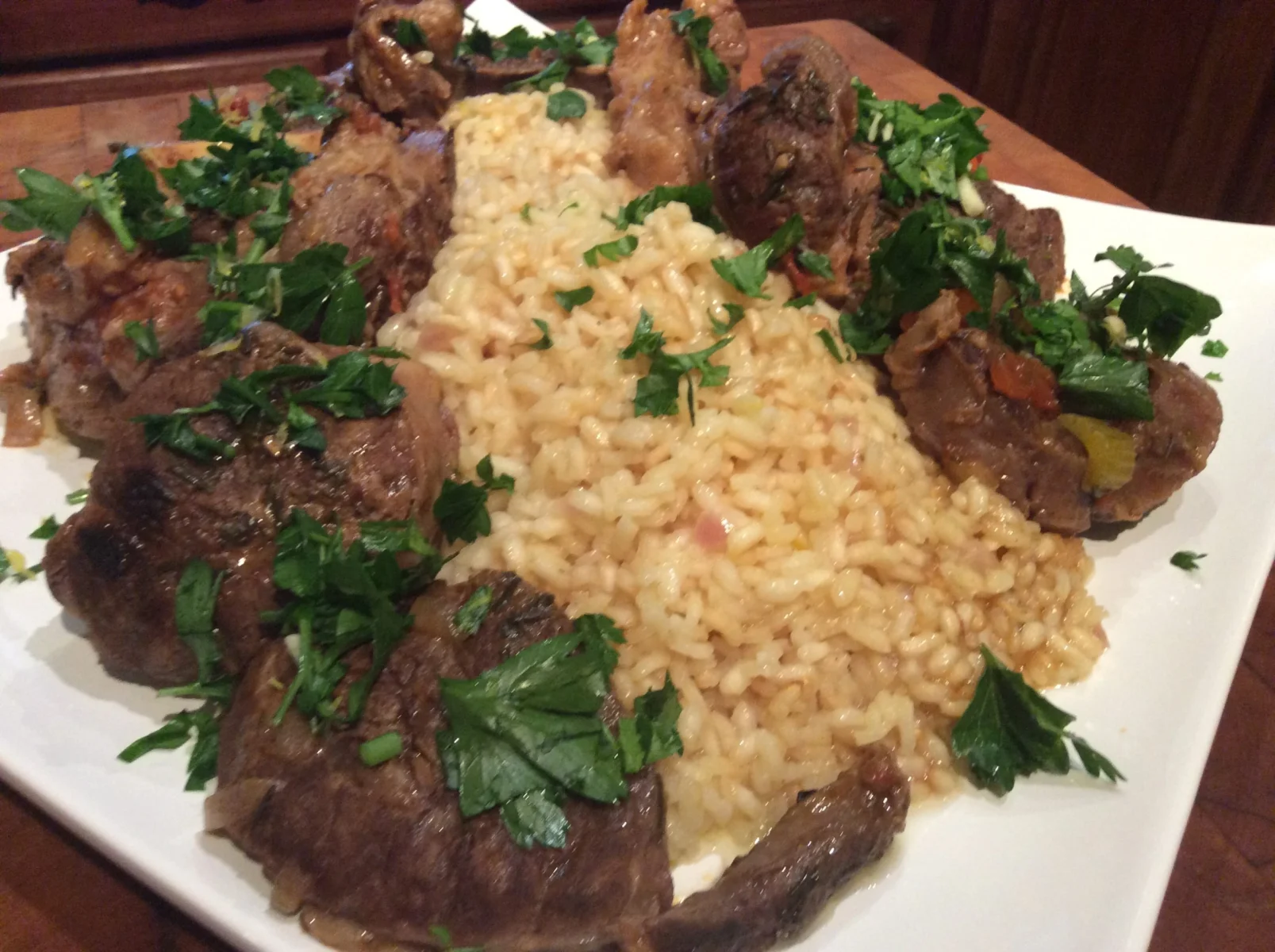
Milanese Risotto Recipe
Hello! We are going to prepare a classic dish that shines on its own in home cooking. This recipe is characterized by an intense golden color and a creaminess that instantly comforts. Preparing a good risotto requires being by the fire, but the process is simple and will teach you to understand how rice grains react when absorbing liquids. The result is an excellent meal that will make you look great with your family or guests.
To achieve that silky texture without the grains breaking, we are going to follow very clear steps. Understanding the why of each action is fundamental. By toasting the grain, we seal its exterior; by adding the liquid little by little, we ensure it gradually releases starch. You don't need professional equipment or complicated prior knowledge, just pay attention to the pot and enjoy the process of cooking at home.
Over the years, I've seen how this dish intimidates those who are just starting to cook. However, there's no reason to worry. With a methodical technique and a little patience, you'll get the rice to be perfectly cooked. The combination of natural fat, hot broth, and the floral touch of saffron will do the rest of the work for you.
Preparation time
So you can organize your time in the kitchen with peace of mind, here is the detailed calculation of the process. Keeping these minutes in mind will help you not rush the cooking, which is vital to achieve the right texture.
- Preparation: 10 minutes
- Cooking: 25 minutes
- Total: 35 minutes
- Servings: 4
- Difficulty: Intermediate
It is important to know that the slow cooking cannot be sped up by turning up the heat. If you abruptly increase the temperature, the liquid will evaporate before the rice can fully absorb it and soften. Therefore, take these thirty-five minutes as a moment to relax by the stove, stirring gently and observing how the ingredients change.
In this 2026, where we often live in a hurry and look for shortcuts in the kitchen, stopping to prepare a dish that demands continuous attention is almost therapy. Those ten minutes of initial preparation will help you have everything weighed, chopped, and at hand. This preliminary step of organizing everything is called mise en place, and it will prevent setbacks once the recipe is underway.
Ingredients
- 1 cup Arborio rice
- 3 cups beef or chicken broth
- 1/2 cup of white wine dry (Optional)
- 1 small onion
- 2 tablespoons unsalted butter
- 2 tablespoons of olive oil
- 1/2 teaspoon saffron threads
- 1/4 cup hot water
- 1/2 taza de queso Parmesano rallado
- Salt to taste
- Ground black pepper to taste
If you don't have Arborio rice, you can replace it with Carnaroli rice. If changing an ingredient requires extra preparation work, indicate it very briefly. If you use Carnaroli rice, the grains will likely take a couple more minutes to reach their tender point, so keep some extra hot water nearby in case the broth runs out. If you cannot find pure saffron threads, you can use commercial powdered saffron; in this case, skip the step of soaking it in water and simply sprinkle it over the hot broth during cooking.
The choice of ingredients sets the path for this recipe. The rice should be short or medium grain and have a high starch content. This is what allows the liquid to thicken naturally. Unsalted butter, for its part, will give you total control over the final sodium level of the dish. If you use salted butter and also incorporate aged cheese, you run the risk of the food being too salty.
The broth provides the base flavor. While tradition indicates using a dark beef broth for contrast, a good chicken broth works perfectly and is usually more present in our home refrigerators. It is very important that this liquid is not cold. If you add cold liquid to the hot pan, the cooking of the grain stops abruptly, ruining the texture of the core.
Utensils we will use
- Wide pan or thick-bottomed pot
- Wooden spoon or silicone spatula
- Sharp knife
- Cutting board
- Additional small pot
- Ladle for liquids
- Home grater
- Small bowl
The choice of cooking vessel directly influences the success of the recipe. Using a wide pan or a pot with a wide base allows the rice to spread out in a relatively thin layer. In this way, the heat reaches all the grains evenly and the liquid has the adequate surface to evaporate slowly. If you use a very deep and narrow pot, the grains at the bottom will cook faster than those at the top.
I recommend using a traditional wooden spoon or a firm silicone spatula. The constant movement required for preparation requires a tool that will not break the grains by friction or scratch the bottom of your pan. Wood, by its nature, is gentle with starch. If in restaurant recipes you see chefs moving the pan in the air to mix, at home there's no need to complicate things: the spoon will do a perfect job if you stir in a figure eight.
To grate the cheese, a common household box grater is sufficient. Just make sure to use the side with the smallest holes. If the cheese is grated too coarsely, it will take longer to melt and will not integrate uniformly with the liquids and fat, leaving visible lumps in the final dish. All the equipment you need you already have in your daily kitchen; there's no need to buy special pans or restaurant tools.
Preparation
1. Prior preparation of aromatics
- Hydrate: In the small bowl, place the saffron threads along with the hot water. Let this mixture rest so that the color and flavor are released.
- Chop: Place the onion on the cutting board and cut it into very fine cubes (about three millimeters approximately). The smaller it is, the better it will disappear into the final texture.
- Heat: Pour the broth into the additional small pot and bring it to low heat. It should be kept warm without coming to a rolling boil throughout the process.
2. Base sofrito and toasting
- Sautéing: In the wide pan, heat the olive oil along with one of the tablespoons of butter over medium heat. When the butter melts, add the chopped onion. Cook for about four minutes until it looks translucent and soft, avoiding browning or burning.
- Toast: Add the Arborio rice directly to the pan. Stir constantly with the wooden spoon for a couple of minutes. You will notice that the edges of the grains become transparent and the center remains white.
- Deglaze: If you decide to use white wine, pour it in now. Continue stirring non-stop until the smell of alcohol disappears and the liquid is almost no longer visible at the bottom of the pan.
3. Slow cooking with liquid
- Hydrate: With the help of the ladle, pour a portion of the hot broth over the rice. Stir gently and constantly.
- Reduce: Continue stirring until the liquid is almost completely absorbed. You will notice that when you pass the spatula across the bottom, it remains clean for a second.
- Repeat: Add another ladle of broth and repeat the operation. Maintain this cycle for about fifteen or eighteen minutes, always over medium heat.
- To Dye: When you are halfway through the cooking time, pour in the saffron water you had reserved. Mix well so that everything acquires that characteristic vibrant yellow color.
- Point: Taste a grain. It should feel tender on the outside but offer slight resistance when biting into the center. If it is still too hard, add a little more broth and continue cooking for a couple of minutes.
To finish and serve
Remove the pan completely from the heat; this step is vital so that the emulsion does not break. Add the remaining tablespoon of butter and the grated Parmesan cheese. Stir quickly and vigorously so that the fat integrates with the residual starch, creating a thick and very shiny sauce. Taste and adjust salt and pepper if you deem it necessary. Serve hot immediately in slightly deep or shallow plates, spreading the preparation with a gentle tap on the base of the plate. Accompany it with a light side dish or enjoy it as a main course.
Nutritional Information
- Calories: 849 kcal
- Proteins: 45 g
- Fats: 40 g
- Carbohydrates: 70 g
- Fiber: 3 g
The nutritional values indicated here are approximate estimates per serving, calculated according to the average quantities of the proposed ingredients.
5 keys to make it perfect
Making this dish at home is easy if you respect certain rules of food physics. Many times errors occur because we skip steps that seem unimportant, but which in reality define the structure of the dish. I will explain in detail why you should pay attention to these five determining points.
1. The broth should always be hot. When you add cold liquid to a pot that is at a high temperature, a thermal shock occurs. The exterior of the grain contracts and closes its pores, preventing it from releasing starch outwards. By keeping your broth pot on low heat right next to your main preparation, you ensure a constant temperature. This facilitates gradual absorption and prevents the center of the rice from remaining hard while the exterior falls apart.
2. Toasting the rice seals the exterior. The step where we mix the raw grain with hot fat is not a whim. By coating the rice with oil and butter and subjecting it to direct heat, we create a small protective barrier. This thin layer prevents the grains from turning into an shapeless paste when liquids are added. We want creaminess in the sauce, not a sticky purée. Toasting correctly maintains the structure of each grain intact until serving time.
3. Stir constantly but gently. Friction is what causes the starch to release into the broth. By moving the grains against each other with your wooden spoon, you are helping them release those particles that will thicken the recipe. You should not beat violently, as you could break them, but rather draw a figure eight or a continuous circle, making sure to scrape the bottom of the pot so that nothing sticks or burns.
4. Add the liquid little by little. If you pour all the cups of broth together at the beginning, you will be making a soup or a traditional boiled rice. The method of adding a ladleful, letting it absorb, and then adding another, allows the starch to concentrate and mix with a small amount of water at a time, forming a bound texture. In addition, it allows you to precisely control the final tender point, stopping hydration just when the grain is perfect.
5. Resting and cold ingredients at the end. When you turn off the heat, the temperature drops a little. It is at that precise moment when we incorporate butter and cheese. If you add them with the heat on at maximum power, the fats from the dairy can separate, leaving an unpleasant puddle of oil on the surface of your dish. The change in temperature and rapid stirring create a stable and shiny emulsion that coats every part of the dish.
When is it ideal to enjoy it?
This dish has the wonderful ability to adapt to different occasions, depending on how you present it. Traditionally, it is associated with comforting dinners at home during the months when the temperature starts to drop, as serving a steaming, dense dish provides immediate warmth and satiety. Being such an iconic recipe of Italian home cooking, it often brings families together around the Sunday table.
However, its natural elegance makes it perfect for celebrations. If you have guests, preparing it at the moment shows attention and care. You can present it as a single dish accompanied by a good slice of rustic bread, or serve smaller portions as an appetizer before a main course of roasted meat or baked fish. Its aromatic profile and intense yellow color make it the center of attention of any festive table.
Furthermore, by mastering this basic technique, the door opens to experimenting with other ingredients on future occasions. Once you understand slow cooking, it will be very easy to prepare variations such as a saffron and shrimp risotto for a summer night, or a classic mushroom risotto to take advantage of seasonal ingredients in autumn. Whatever the reason, make sure to plan it for when all diners are ready to sit down to eat, as it does not wait well in the pot and should be served immediately.
Comparison table
| Recipe | Key ingredients | Difference/advantage |
|---|---|---|
| Risotto alla Milanese | Saffron, beef broth, Parmesan | Vibrant golden color and unmistakable floral flavor |
| Mushroom risotto | Mushrooms, vegetable broth, garlic | Very earthy flavor profile and dark color |
| Seafood risotto | Fish broth, shrimp, squid | Provides an intense saline flavor and firm textures |
| Homemade white rice | Long-grain rice, water, salt | Quick cooking by total absorption, without stirring |
| Traditional paella | Bomba rice, saffron, various meats | The aim is to form a dry crust at the bottom, without stirring |
| Arroz caldoso | Medium-grain rice, abundant broth, vegetables | Served with a lot of liquid, thick soup texture |
| Four-cheese risotto | Gorgonzola, Fontina, Parmesan, milk | Results in a much heavier and more intense dairy flavor |
Frequently asked questions (FAQ)
Share your experience
Cooking is for experimenting and sharing. When you dare to prepare this recipe at home, pay attention to how the texture of the ingredients changes as the minutes pass. Leave your comment and share your own little tricks or the side dishes you chose to accompany it!
Culinary glossary
So that you have no doubts with the process explanations, here I detail some fundamental concepts used in the recipe in a simple way.
To cream/butter: It is the last step of the recipe, off the heat. It consists of incorporating cold fat (such as butter and cheese) stirring quickly to achieve a creamy and unified texture thanks to the temperature shock.
Deglaze: Consiste en verter un líquido (generalmente vino o caldo) en una sartén caliente donde se han dorado ingredientes. El líquido ayuda a despegar los jugos caramelizados del fondo, integrándolos de nuevo a la preparación para aportar mucho sabor.
Al dente: Se refiere al punto exacto de cocción de pastas o arroces donde el exterior está blando y cocido, pero el interior aún ofrece una leve y agradable resistencia al morder. Evita que el alimento quede sobrecocido.
Nacarar: También conocido como tostar. Es la acción de sofreír el grano crudo en aceite o mantequilla antes de añadir líquidos. El calor cambia el color del grano volviendo sus bordes translúcidos y sella la capa externa.
Sofrito: Es la técnica de cocinar cebolla, ajo u otros vegetales picados muy finos en grasa a fuego medio o bajo. El objetivo es ablandarlos para que suelten su sabor natural sin llegar a quemarse o tostarse en exceso.
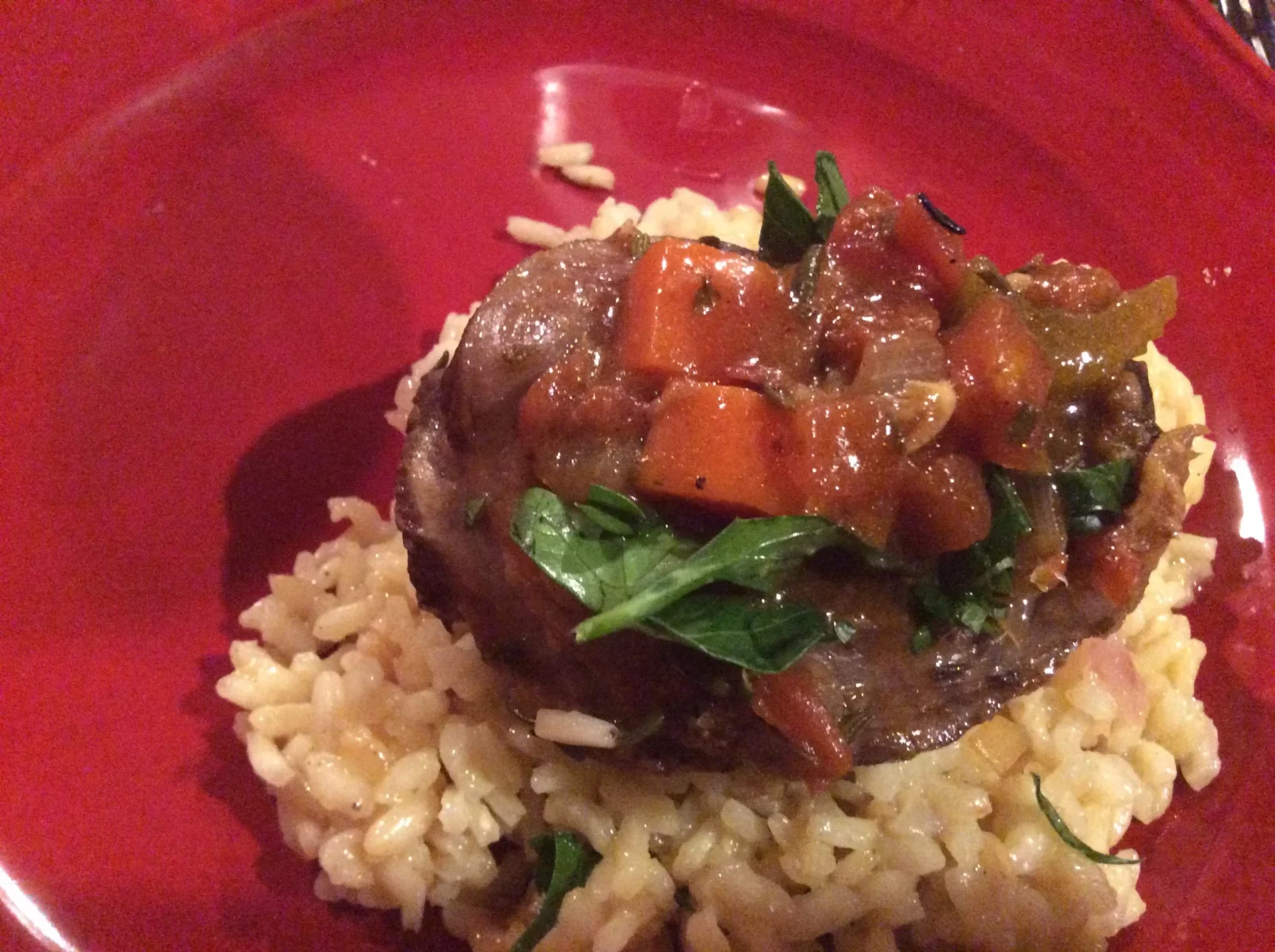
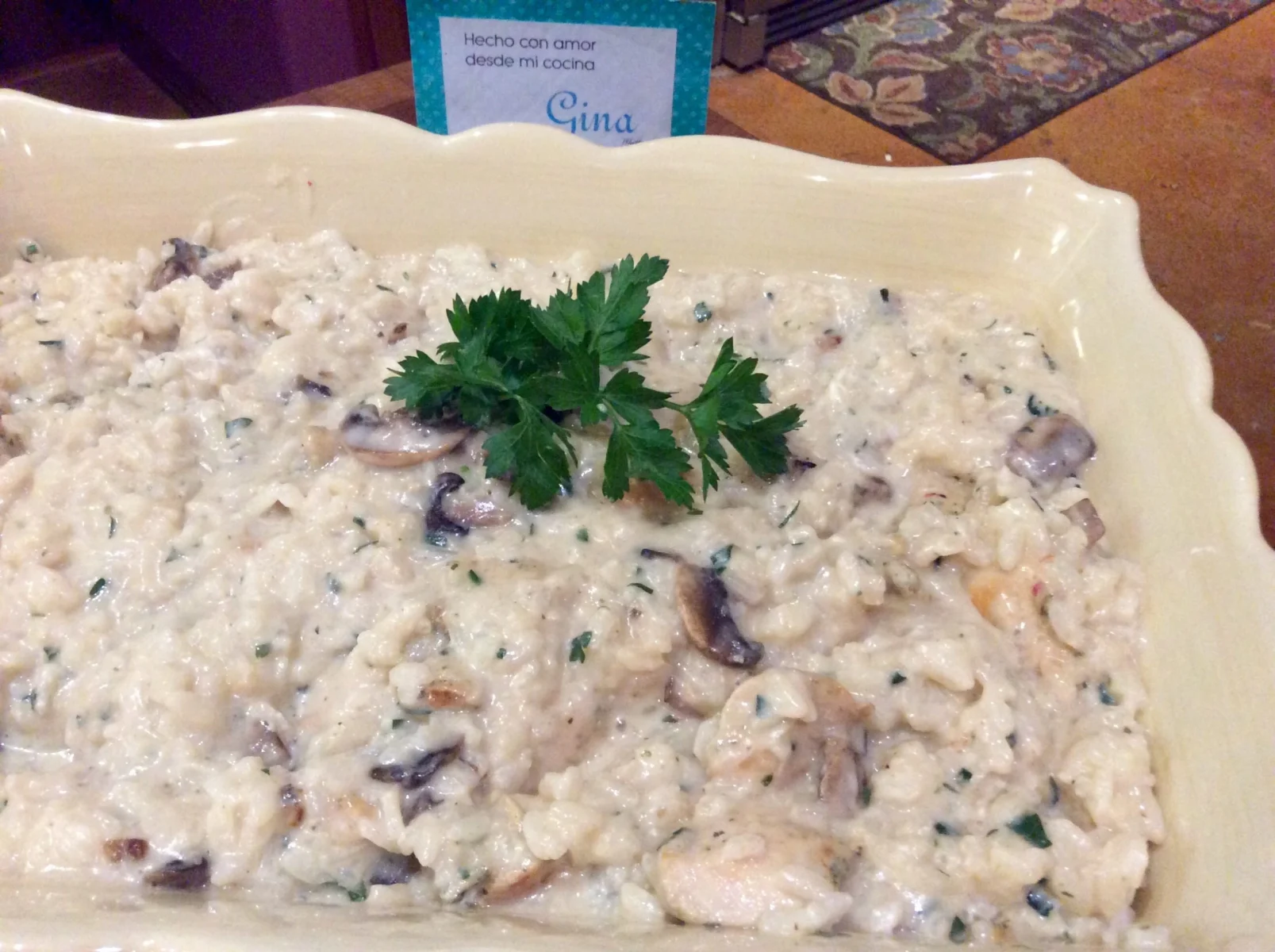


Súper receta esta de ‘Risotto a la Milanese’ .