


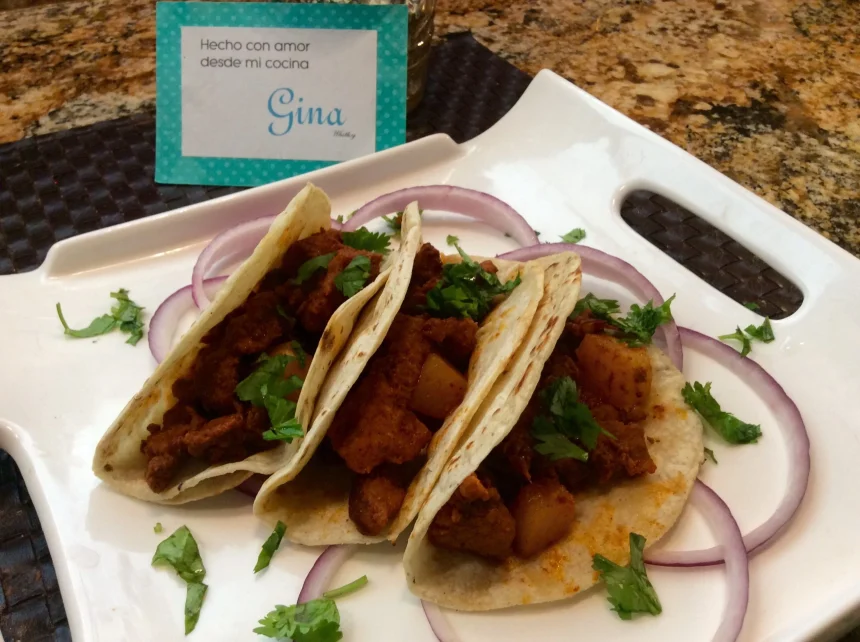
Tacos al Pastor Recipe
Preparing authentic tacos al pastor at home is a process that goes far beyond following simple instructions; it's about understanding the science, history, and technique behind one of the most emblematic dishes of Mexican food. The essence of this preparation lies in achieving a perfect balance between the saltiness of the meat, the sweetness of the fruit, the acidity of the citrus, and the spicy touch of the dried chilies. To achieve this level of perfection without the traditional vertical spit that slowly rotates in front of the fire, it is essential to understand the nature of the protein to be used. The success of this recipe depends on choosing the right cut, and the undisputed option to replicate that juicy and tender texture is the pork shoulder butt of pork, also known in some places as pork shoulder or «Boston butt.» This specific cut has a masterful balance between lean muscle and intramuscular fat, that small network of white lines that run through the meat and is known as marbling.
Marbling is the best-kept secret for cooking with direct heat without drying out the protein. As the meat is exposed to high temperatures in the pan or oven, this internal fat slowly begins to melt, a process known as rendering. This liquid fat bathes the muscle fibers from the inside out, ensuring that each slice maintains exceptional moisture and adds a deep flavor that lean cuts, such as pure loin or tenderloin, simply cannot offer. If one were to try to use a cut without enough fat, the result would be stringy and dry meat upon contact with the intense heat needed to achieve that caramelized crust that characterizes the dish. On the other hand, using excessively fatty cuts like pork belly could result in a texture too heavy on the palate, losing the agile balance required for a good street taco.
The adaptation of this recipe to the home environment in this year 2026 demonstrates how culinary techniques can be democratized without losing their soul. Originally, the technique of roasting meat stacked on a vertical spit was introduced to Mexico by Lebanese immigrants in the early 20th century, who brought with them the concept of shawarma. By fusing this Middle Eastern technique with endemic ingredients such as achiote, local dried chilies, and the use of corn tortillas, a completely new gastronomic gem was born. Today, when recreating this process in a cast-iron pan or a conventional oven, the goal is to imitate that direct exposure to heat. For this, it is vital to cut the meat correctly. If the butcher cannot provide the piece sliced into very thin sheets, barely a few millimeters thick, the infallible trick is to place the entire piece in the freezer for about thirty or forty minutes. This thermal shock firms up the meat's structure without completely freezing it, allowing the knife to glide with millimeter precision to obtain perfect and uniform slices, ready to absorb every drop of the marinade.
The thin cut not only speeds up cooking time but also maximizes the surface area exposed to the marinade and heat. The more meat surface that comes into direct contact with the hot cooking surface, the greater the Maillard reaction will be—that fundamental chemical process where amino acids and reducing sugars transform under heat to create new flavor compounds and that irresistible dark golden color. Without a rotating spit, the main goal is to recreate those small toasted and crispy edges that are normally cut directly from the trompo. Thus, by understanding the function of fat, the importance of millimeter-precise cutting, and the chemistry of heat, any home kitchen transforms into the ideal setting to master this culinary masterpiece.
Preparation Time and Utensils We Will Use
When organizing the workflow in the kitchen, it is crucial to divide time between active tasks and resting periods that allow flavors to evolve. For this recipe, active preparation time will take you approximately 30 minutes. This period includes cleaning and toasting the dried chilies, blending the marinade, and carefully slicing the meat and fruit. However, the secret to aromatic intensity requires patience: passive marinating time demands a minimum of 4 hours, although leaving the meat submerged in the refrigerator for all night will completely transform the final result. Subsequently, the active cooking time will be around 20 to 30 minutes, depending on the amount of meat and the chosen technique. With the indicated quantities, you will get enough ingredients to serve between 6 and 8 generous portions , which categorizes this preparation as having an intermediate, difficulty, not due to complex techniques, but due to the necessary respect for resting times and fire control.
To execute each step with precision, it is vital to have the right tools, demonstrating that industrial equipment is not required to obtain exceptional results. The star utensil will be a heavy pan, ideally cast iron. Cast iron has immense thermal capacity; this means it takes time to heat up, but once it reaches a high temperature, it retains it exceptionally well. When you place the marinated and cold meat slices on a thin aluminum or Teflon pan, the metal's temperature drops drastically, causing the meat to boil in its own juices instead of searing. On the contrary, cast iron maintains radiant heat, instantly evaporating moisture and searing the meat to create that coveted golden crust. If you decide to use the oven to simulate the trompo's stacking, a sturdy baking sheet with parchment paper or thick metal skewers will be your best allies.
Another fundamental piece of equipment is the blender. A powerful vortex is needed to crush the rehydrated chili skins and spices into a silky paste. A standard home blender works perfectly; the secret lies in adding the correct liquids little by little to facilitate the blades' work. If the mixture has too rustic a texture, you can always pass it through a fine-mesh strainer, a basic utensil that will ensure a smooth and professional marinade. By avoiding lumps, the marinade will cover every millimeter of the meat homogeneously, preventing bitter spots from poorly crushed spices and ensuring uniform caramelization in the pan.
Finally, the use of a sharp chef's knife and a sturdy cutting board is non-negotiable. A dull knife does not cut, but rather tears the meat fibers, causing the loss of vital juices before even reaching the heat. For the cutting board, an essential home safety tip is to place a slightly damp cloth directly underneath it; this creates friction against the kitchen counter and prevents the board from sliding while you work, preventing accidents. Additionally, you will need a pair of long tongs to handle the hot meat without piercing it, large glass or ceramic containers for marinating (avoiding reactive metals that can oxidize the vinegar's acidity), and clean cloths to keep the work area impeccable. With this well-prepared home arsenal, you are completely ready to face the culinary process with confidence and safety.
Ingredients
The heart of this preparation lies in the meticulous selection of raw materials, where each element fulfills a specific chemical and aromatic function. For the protein base, you require 1 kilo of pork shoulder butt. As explained earlier, this cut offers the necessary juiciness thanks to its infiltrated fat. In case you cannot find this exact cut, you can substitute it with pork leg, although you will need to monitor the cooking much more closely, as being leaner, the margin of error for it to dry out is much smaller. If you opt for the leg, a small extra drizzle of neutral oil during marinating will help protect the meat from intense heat. Accompanying the protein, fresh pineapple is indispensable. You need approximately half a peeled and cut unit. It is imperative that the pineapple is fresh and not canned; fresh fruit contains bromelain, a natural enzyme that breaks down the peptide bonds of proteins, acting as a fabulous natural tenderizer. The canning process destroys this enzyme through heat, completely nullifying this tenderizing benefit.
The one responsible for giving life, color, and depth to the meat is the adorobo. This complex spiced liquid requires a precise blend of dried chilies: 3 guajillo chiles y 2 ancho chilies. The guajillo chili provides a vibrant red color and a very subtle fruity sweetness, while the ancho chili, which is a sun-dried poblano chili, delivers smoky, earthy notes and a dark complexity. For the adobo to acquire its characteristic reddish hue and that slightly earthy and peppery flavor, you must use 50 grams of annatto paste. Annatto comes from the seeds of the eponymous tree and is a pillar of southern Mexican cuisines. If it's impossible to find annatto paste in your area, you can create a substitute by mixing three tablespoons of sweet paprika with one teaspoon of ground cumin and an extra splash of vinegar to simulate the paste, although the original earthy profile will be slightly different.
The liquids that will give structure and acidity to the adobo are half a cup of natural orange juice y a quarter cup of white or apple cider vinegar. This acidic combination not only balances the richness of the pork fat but, together with the pineapple enzyme, accelerates the tenderizing process of the meat fibers, achieving that melt-in-your-mouth texture. To build the aromatic and spiced base of the marinade, incorporate 3 peeled garlic cloves, a quarter of a white onion, one teaspoon of dried oregano (preferably Mexican for its more citrusy and floral notes), half a teaspoon of ground cumin, three cloves y coarse salt to taste. All this amalgam of spices will create a warm and enveloping aromatic profile.
Finally, no dish in this category is complete without the accompaniments that provide freshness and textural contrast. To assemble the final dish, you will need corn tortillas soft and fresh, preferably small taco size. For the garnish, classically known as «jardín» (garden), prepare one cup of finely chopped fresh cilantro y one cup of white onion diced very small. The contrast of the raw onion and herbaceous cilantro will cut through the intensity of the spiced meat. Additionally, have plenty of lemons cut into quarters to squeeze at the last second, providing a fundamental acidic brightness, and of course, your red or green sauce favorite, which will be the final touch of spice that will crown each bite.
Preparation
The process of transforming the ingredients begins with the Marinade preparation, a step where gentle heat is your main ally. Start by heating a pan or griddle over medium-low heat, without adding any oil. Take the guajillo and ancho chilies, from which you have previously removed the stems, seeds, and internal veins. Place them on the hot surface and press them lightly with a spatula. This dry toasting process awakens the essential oils latent in the dehydrated skin of the chilies. You must be extremely careful; this step lasts only about twenty or thirty seconds per side. If the chilies emit black smoke or acquire a charred tone, they will become irreversibly bitter and ruin the entire marinade. Once they release a deep, toasted aroma, remove them immediately from the heat and submerge them in a bowl with very hot water for about fifteen to twenty minutes, until they become soft, fleshy, and completely flexible.
When the chilies are hydrated, drain them and transfer them to the blender cup. Add the crumbled achiote paste, orange juice, vinegar, garlic cloves, onion piece, oregano, cumin, cloves, and a generous amount of salt. Blend everything at maximum power. If you notice the blades getting stuck or the mixture is too thick, you can add a very small splash of the water where the chilies were soaked. The goal is to obtain a thick paste, of an intense and bright red color, with a velvety texture. Take the necessary time to blend perfectly; a smooth marinade guarantees an even distribution of flavor. Transfer the mixture to a large glass container, ready to receive the protein in the next crucial step: The art of marinating.
With the pork finely sliced into thin sheets, begin to submerge each piece individually in the bowl with the marinade. Use your hands (you can wear gloves if you wish to prevent the annatto from staining your skin) to gently massage the red mixture onto each fiber, ensuring that not a single corner is left uncovered. The friction of the massage helps the marinade penetrate more deeply. Once all the meat is covered, stack it compactly in the container, cover it tightly with plastic wrap, and place it in the refrigerator. Patience comes into play here: let it rest for a minimum of four hours, ideally overnight. During this cold slumber, the acid from the vinegar and the aromatics from the annatto and spices transform the molecular structure of the meat, tenderizing it and saturating it with flavor.
When it's time for Perfect home cooking, remove the meat from the refrigerator about twenty minutes beforehand so it loses its extreme cold. Heat your cast-iron skillet over medium-high heat and add a very light layer of neutral oil. When the skillet is lightly smoking, place the slices of meat spread out. You'll hear a loud, immediate sizzle; that's the acoustic signal of a correct sear. Do not overcrowd the pan; cook in small batches. If you put too much meat together, the temperature will drop, the meat will release its juices, and you'll end up boiling it instead of searing it. Let each slice brown without moving it for a couple of minutes until the edges begin to look caramelized and slightly crispy. Flip them over and repeat the process. At the same time, in another corner of the pan, place small pieces of fresh pineapple so that their natural sugars caramelize upon contact with the residual pork juices, creating golden and sweet bits.
Finally, we move on to the To finish and serve. block. As you remove the caramelized meat slices from the pan, place them on a clean cutting board and let them rest for a couple of minutes. This brief rest allows the heat-contracted fibers to relax and retain the hot juices inside. After this time, take your sharp knife and chop the meat and roasted pineapple into small pieces, perfect for a manageable bite. Simultaneously, heat the corn tortillas on a comal until they are soft and flexible, making sure to use two overlapping tortillas per serving to provide structural support. Serve the steaming meat on the bed of hot corn and prepare the ground for the final plating at the table.
Nutritional Information and 5 Keys to Make it Perfect
Understanding the nutritional profile of what we prepare allows us to integrate these traditional dishes into a balanced lifestyle without remorse. Based on standard portions calculated for a homemade recipe (considering about three tacos per person with standard corn tortillas and lean meat with a moderate fat level), one serving provides approximately 350 to 420 calories. In terms of macronutrients, this dish stands out as an excellent source of structural energy, offering around 25 grams of high biological value protein from pork, essential for muscle repair. As for carbohydrates, corn tortillas provide about 35 grams of complex carbohydrates , which provide sustained-release energy. Fats are around 15 to 18 grams, depending on the exact marbling of the cut used and the minimal oil for searing, being mostly mono- and polyunsaturated fats if excess lard is avoided. Finally, the fiber content is approximately 5 grams, derived from nixtamalized corn and fresh vegetables used as a garnish. All these values are estimates per serving and will vary according to the exact quantities and precise cuts you use in your kitchen.
To elevate this preparation from a simple home-cooked meal to a truly memorable experience, there are 5 fundamental keys that mark the difference between an amateur and a flavor expert. The first key is the extreme caramelization. Since we don't have the direct fire of a vertical rotisserie, the pan must be scorching hot. Don't be afraid to cook the meat to the point where the edges seem about to burn; that dark crust is where the most intense flavor compounds developed by the Maillard reaction reside. If the meat remains pale, the taco will taste flat and lack that crispy texture that contrasts with the tenderness of the interior.
The second key is the tortilla heat treatment. Never serve a tortilla cold or directly from the package. A cold corn tortilla is stiff, brittle, and has a floury taste. By heating it on a hot griddle (preferably greased with a tiny drop of the juice released by the meat or a touch of oil), the corn starches gelatinize, restoring its flexibility, its aroma of wet earth, and creating a slightly impermeable barrier that will prevent the meat juices from breaking the taco at the first bite.
The third key is the unbreakable rule of the double tortilla. This is not an aesthetic whim, but a principle of basic culinary engineering. A good taco al pastor is juicy and heavy. A single corn tortilla does not have the structural strength to contain the moisture from the meat, sauce, lime, and vegetables without disintegrating in your hands. The second tortilla acts as a load reinforcement and absorbs excess juices, ensuring that the last bite is as intact and enjoyable as the first.
The fourth key lies in the thermal and textural contrast provided by the fresh garnishes. Hot, rich, and spicy meat desperately needs a raw, cold, and crunchy element to cleanse the palate. This is where chopped white onion and cilantro come into play. They should not be cooked; their function is to provide a watery crunch and a pungent herbal aroma that «cuts» through the pork fat, allowing the palate to reset and be ready to appreciate the complexity of the next bite without being fatigued by the richness of the meat.
The fifth and final key is the strategic use of fresh pineapple and the final acidity. La piña asada aporta dulzor, pero añadir unos minúsculos cubitos de piña completamente cruda justo antes de servir aporta un estallido de jugo fresco que cambia por completo el perfil del platillo. Por su parte, exprimir el limón directamente sobre el taco montado, en el último segundo antes de comer, asegura que los aceites esenciales de la cáscara del cítrico y su jugo ácido resalten el sabor de la sal y equilibren la tierra del achiote. Sin esa acidez final, el plato se sentiría incompleto y pesado.
When is it ideal to enjoy it?
Saber elegir el momento adecuado para presentar un platillo tan vibrante es casi tan importante como la técnica de cocción misma. En este vibrante 2026, donde la cocina casera ha retomado un lugar central como espacio de reconexión social, los fines de semana se perfilan como el escenario perfecto para esta elaboración. No es un plato de preparación apresurada para un martes por la noche después de una jornada laboral extenuante; es una receta de celebración, un proyecto culinario de fin de semana que invita a la convivencia. El largo tiempo de marinado que requiere el cerdo encaja maravillosamente con un sábado por la tarde, preparando todo con calma para encender los fogones el domingo a la hora del almuerzo, reuniendo a la familia o a los amigos alrededor del seductor aroma de las especias tostadas.
Las reuniones veraniegas o de clima cálido en el patio trasero son el hábitat natural de esta preparación. La naturaleza informal del montaje invita a crear una estación interactiva de comida. En lugar de emplatar individualmente en la cocina, el enfoque más exitoso es llevar una gran fuente de hierro fundido a la mesa con la carne chisporroteante y la piña caramelizada, rodeada de cuencos de cerámica rebosantes de cilantro fresco, cebolla blanca en brunoise, gajos de limón verde y una variedad de salsas. Esta disposición convierte la comida en una experiencia dinámica, donde cada invitado se convierte en el arquitecto de su propia porción, ajustando las proporciones de picante, acidez y frescura según su paladar exacto. Rompe las barreras formales y fomenta la charla animada, el intercambio y la alegría de compartir el alimento con las manos.
A nivel práctico, es un plato que resuelve maravillosamente la logística de alimentar a grupos medianos. A diferencia de un filete de res o un pescado delicado que exigen servirse al segundo exacto de salir del fuego, la carne desmenuzada y marinada de cerdo mantiene excepcionalmente bien el calor y la humedad si se mantiene cubierta, dándole al anfitrión un margen de maniobra inestimable. Además, el perfil de sabor tan robusto no requiere acompañamientos complejos o pesados. El centro de atención es la tortilla y su relleno. Si decides complementar la mesa, unas sencillas cebollitas cambray asadas en la misma sartén o una ensalada ligera de pepino y rábanos con mucho limón son más que suficientes para acompañar. Para mantener el equilibrio del menú en reuniones frecuentes, es maravilloso variar las proteínas; por ejemplo, si hoy sorprendes con el fuego del cerdo y el achiote, el próximo fin de semana podrías aligerar el ambiente presentando unos frescos Baja California style fish tacos, creando un contraste marítimo y crujiente que mantiene a tus invitados siempre a la expectativa de tus habilidades.
El maridaje de bebidas para acompañar esta intensidad de sabores también dicta el ambiente de la ocasión. Las aguas frescas tradicionales, especialmente el agua de jamaica o de tamarindo, son compañeras formidables; su acidez natural y dulzor moderado limpian el paladar de la grasa y el picante entre mordidas. Si la ocasión permite alcohol, una cerveza estilo lager muy fría, servida con un borde de sal y limón, corta la riqueza del adobo a la perfección. La clave está en evitar bebidas demasiado espesas, lechosas o excesivamente dulces que compitan con la complejidad del plato principal. Disfrutar de esta elaboración es, en esencia, celebrar la generosidad de los ingredientes y el placer de reunirse sin pretensiones.
Comparison of Similar Recipes
Cuando nos adentramos en el vasto y complejo mundo de la Mexican food envolta en tortillas, es muy común que los comensales principiantes o incluso algunos cocineros confundan preparaciones que, aunque comparten el formato de presentación, poseen almas culinarias radicalmente distintas. La receta que hoy nos ocupa, coronada por la piña y el adobo rojo, se distingue por su equilibrio entre dulce, ácido y especiado, un perfil muy diferente al de otras majestades del recetario tradicional que merecen ser analizadas para comprender su lugar en la mesa.
El primer y más común punto de confusión ocurre con las famosas Carnitas de cerdo. Aunque ambas preparaciones utilizan cortes ricos en grasa como la paleta o la espaldilla, la técnica de cocción y el perfil de sabor habitan en universos opuestos. Las carnitas son el resultado de un proceso de confitado lento, donde grandes trozos de cerdo se sumergen y se cocinan a fuego bajo en su propia manteca líquida durante horas, condimentadas con elementos sutiles como naranja, hojas de laurel y a veces leche o refresco de cola para dar color. El resultado es una carne que sabe profunda, pura y abrumadoramente a cerdo asado, con una textura fibrosa que se deshace. Por el contrario, nuestra receta protagonista utiliza fuego alto y rápido (sartén o trompo), y el sabor puro del cerdo queda en segundo plano, enmascarado deliberadamente por la intensidad del achiote, los chiles, el vinagre y el dulce de la fruta. Quien busca el sabor rústico y profundo de la manteca elige carnitas; quien busca una explosión ácida, afrutada y vibrante, elige la carne adobada.
Otra comparación ineludible se da con las preparaciones de carne de res, especialmente si echamos un vistazo a unos jugosos tacos of marinated skirt steak with spring onions. La arrachera, un corte de res proveniente del diafragma, se caracteriza por tener una mordida firme, fibrosa y un sabor a carne bovina sumamente fuerte y metálico. La marinada de una arrachera suele basarse en salsa de soya, jugo de limón, cerveza o especias saladas para ablandarla, buscando potenciar el sabor umami de la res para luego asarla violentamente a la parrilla de carbón. En cambio, el cerdo con piña busca una ternura sedosa, casi aterciopelada, donde la fruta y los chiles secos dominan el paladar. La res requiere una masticación vigorosa y ofrece un sabor salado-ahumado directo, mientras que el cerdo al pastor se deshace rápidamente ofreciendo capas complejas de dulzor cítrico y terroso.
Finalmente, si la comparamos con preparaciones como el Pollo Pibil (o cochinita pibil), encontramos un primo hermano aromático pero con diferencias en la ejecución de la textura. Ambas recetas comparten el uso estelar del achiote y los cítricos (naranja agria en el caso del pibil) para lograr el color rojo y el fondo terroso. Sin embargo, el pibil se envuelve cuidadosamente en hojas de plátano y se hornea al vapor o se entierra para cocinarse en sus propios líquidos, resultando en un guiso húmedo, caldoso y deshebrado que baña la tortilla en una salsa líquida. En nuestra cocción de sartén caliente, buscamos exactamente lo contrario: evaporar los líquidos superficiales para generar una costra seca y crujiente en los bordes de cada fina lámina de carne. Entender estas diferencias térmicas y de perfil de sabor permite al cocinero seleccionar exactamente la receta que mejor se adapte a su antojo, garantizando siempre una experiencia gastronómica precisa y calculada.
Culinary Glossary and Share Your Experience
A lo largo de esta inmersión gastronómica, hemos utilizado vocabulario técnico que, aunque fundamental en las cocinas profesionales, puede traducirse fácilmente al entorno doméstico para que cualquier apasionado de los fogones comprenda la ciencia detrás de lo que hace. El primer término crucial es Seal. En lenguaje cotidiano, sellar significa exponer una pieza de carne a una temperatura muy alta en una superficie de metal durante un tiempo breve. El objetivo no es cocinar el interior de la pieza, sino crear una costra crujiente y dorada en el exterior. Esta costra dorada es producto de la caramelización de las proteínas y es la principal fuente de sabor a «asado». Si pones la carne en una sartén tibia, no la sellas, la hierves, y pierdes todo ese sabor tostado profundo.
Otro concepto clave que mencionamos al preparar las guarniciones frescas es el corte en Brunoise. Aunque suene sofisticado, brunoise simplemente significa picar un ingrediente en cubos minúsculos, de aproximadamente uno a dos milímetros de grosor. Aplicar este corte a la cebolla blanca es vital; si cortas pedazos grandes, la mordida estará dominada por el sabor picante y sulfuroso de la cebolla cruda, opacando a la carne. Al cortarla en brunoise, logras esparcirla como una fina lluvia, obteniendo solo pequeños destellos de frescura crujiente que acompañan pero no saturan el paladar.
También hablamos del Trompo. En el argot de la comida callejera, el trompo es una varilla metálica vertical donde se apilan cientos de capas de carne marinada, formando una figura similar al juguete tradicional que gira. Esta estructura se coloca frente a quemadores verticales de gas o carbón, girando lentamente para que la capa exterior se dore y se corte al momento. Es la obra maestra de la ingeniería culinaria callejera que en casa replicamos con el apilamiento y el horno o la sartén muy caliente.
The term Tender point se refiere a la textura ideal que buscamos en la proteína. No queremos que se deshaga como puré (eso indicaría sobrecocción y destrucción total de las fibras), ni que oponga resistencia como una liga elástica (falta de cocción o corte magro reseco). El punto tierno es ese momento exacto donde la carne mantiene su forma íntegra a la vista, pero al contacto con los dientes cede suavemente, liberando todos sus jugos retenidos gracias al marmoleo de la grasa derretida.
Por último, el Adobo es, en la cocina latinoamericana, una salsa espesa o pasta basada principalmente en chiles secos rehidratados, ácidos como vinagre o cítricos, y especias trituradas. Históricamente se utilizaba como método de conservación antes de la refrigeración, ya que el ácido y las especias prevenían la aparición de bacterias. Hoy en día, su función principal es teñir, tiernizar e inyectar dosis masivas de sabor terroso y picante en cortes de carne densos.
La cocina es un laboratorio orgánico diseñado para experimentar, modificar y adaptar. Las proporciones de especias, el nivel de picante de los chiles o el tamaño del corte no están tallados en piedra. Si amas el picante, tal vez quieras añadir un chile de árbol a la licuadora la próxima vez. Si prefieres un toque extra dulce, asar más piña será tu secreto personal. La verdadera magia ocurre cuando tomas estos fundamentos técnicos y los haces tuyos. ¡La cocina es para experimentar y compartir! Deja tu comentario y comparte tus propios truquitos, cuenta cómo te funcionó la técnica de la sartén de hierro o qué variaciones de salsas creaste para acompañar esta maravilla en tu hogar. El intercambio de ideas es lo que mantiene viva y en constante evolución a la verdadera gastronomía.



Simple and delicious. It saved me time and was delicious. What a great guide.
I prepared it exactly as it is for ‘Tacos al Pastor’.
Super recipe this for ‘Tacos al Pastor’. I made it with the ingredients I had and it worked perfectly.