

Tuna Pie Recipe
Hello! We are going to prepare a classic dish that never fails at the table and that will transform your pantry ingredients into a comforting meal. This dish combines a crispy homemade crust with a juicy fish filling, ideal for any meal of the week. Pay close attention to each step, because mastering this technique will open the doors to endless baked preparations in your own kitchen.
The importance of mastering savory doughs at home
Working with doughs from scratch is one of the most valuable skills you can develop in daily cooking. Many times we resort to store-bought bases due to lack of time, but the control over ingredients and the texture you achieve by doing it yourself is incomparable. A homemade savory tart allows you to adjust the amount of salt, the type of fat, and the thickness of the base according to your preferences. In our version, we are looking for a base that is firm enough to hold the moist filling, but that crumbles slightly when bitten. The exact proportion of flour, fat, and cold water is the secret to achieving this consistency without complications.
Furthermore, this type of preparation is an excellent way to use what you already have in your pantry. Canned fish is a culinary lifesaver that, when well-treated, offers exceptional results. By combining it with fresh aromatics, olives, and a touch of acidity, we elevate a humble ingredient to the category of a main dish. Throughout the process, you will understand why each element serves a specific function, from the water temperature to the cutting of vegetables. Cooking is not just about following instructions, but about observing how food reacts to heat, cold, and friction.
In the current context, where we seek to optimize our resources and reduce the consumption of ultra-processed foods, returning to technical basics makes more sense than ever. Mastering this recipe will give you the confidence to experiment later with other fillings. Pay attention to the visual and tactile cues I will indicate; home cooking requires patience, but it rewards with authentic flavors and textures that no industrial machine can replicate.
Preparation time
Organizing your time in the kitchen is essential for the process to flow without stress. Knowing exactly how long each stage will take allows you to plan other tasks or simply enjoy the process without rushing. Pay attention to the breakdown of minutes and keep in mind that baking times may vary slightly depending on your equipment.
- Preparation: 30 minutes
- Cooking: 45 minutes
- Total: 1 hour and 15 minutes
- Servings: 8
- Difficulty: Easy
Understanding time management in the kitchen
The indicated preparation time includes the active time you will be chopping, mixing, and assembling the dish. However, there are invisible pauses that are crucial for the success of the recipe. For example, the dough requires cold resting. This time, even if you are not actively working with your hands, is vital for the flour to fully hydrate and the gluten network to relax. If you skip the resting and try to roll out the dough immediately, it will shrink and become tough after baking. Plan your cooking session knowing that these waiting minutes are as important as the kneading itself.
On the other hand, cooking the filling in the pan takes a few minutes, but the main objective there is not only to cook the ingredients, but to evaporate as much liquid as possible. A too watery filling will ruin the time you invested in making a crispy crust. Dedicate the necessary minutes in front of the stove to ensure that the mixture is at the exact point of moisture. Patience at this stage makes the difference between a mediocre and an excellent result.
Finally, baking time is where the final transformation occurs. During those 45 minutes, the oven's heat evaporates the water from the butter, creating steam that separates the layers of the dough, while the sugars and proteins on the surface react to form that appetizing golden crust. Avoid opening the oven door constantly, as temperature drops will prolong the total time and interfere with the development of the structure. Use this time to clean up your workstation and prepare the accompaniments that will go with your dish.
Ingredients
The selection of ingredients is the first step to guarantee success. I present to you the exact list of what you need. Read carefully and check your pantry before starting. Note that we divide the elements into two blocks for clarity.
For the dough
- 300 g of flour
- 130 g of butter in pieces
- 70 g of water
- 1 tsp fine salt or to taste
- 1 tbsp sugar
For the filling
- 1 sprig of parsley, only the leaves
- 200 g of onion in pieces
- 2 peeled garlic cloves
- 200 g of tomato in pieces
- 40 g of olive oil
- 300 g canned tuna in water, drained
- 70 g pitted green olives, drained
- 4 chopped güero chilies
- 10 g drained capers
If you don't have butter, you can substitute it with lard, which will provide an even flakier texture, although it will slightly change the flavor profile. If you decide to use lard, the preparation process remains exactly the same: it must be very cold before being incorporated with the flour. If you can't find fresh or pickled güero chilies, you can replace them with seedless jalapeños to provide a similar level of spiciness, or with bell pepper if you prefer to avoid spice altogether. For the fish, make sure to drain all the liquid from the can; if you only have the oil-packed version, drain it rigorously to avoid adding extra fat that could unbalance the moisture of the stew.
The recommended flour is common wheat flour, as it provides enough strength to contain the stew without making the base heavy. The salt and sugar in the dry components not only add flavor, but the sugar also aids in the browning process during baking. The water should be extremely cold, almost icy, to prevent the fat from melting while you work with your hands. If you notice your kitchen is very hot, you can refrigerate your containers a few minutes before starting. Remember that the quality of the aromatics, such as tomato and garlic, will dictate the depth of flavor of the sofrito, so choose firm and ripe pieces.
Utensils we will use
For this recipe, you don't need professional equipment or complex tools. With the basics you have in your kitchen drawers, it will be more than enough to achieve a perfect dish. Check the list and prepare your work area.
- Large mixing bowl
- Deep frying pan or saucepan
- Sharp knife
- Cutting board
- Wooden spoon or spatula
- Fine sieve
- Rodillo
- Tart pan or baking dish
- Absorbent paper
- Fork
How to make the most of your tools
The large bowl is indispensable for working with powders and fat without making a mess on the table. I suggest using a glass or metal one, as they retain cold better compared to plastic, which is a great help in preventing the fat from softening prematurely. If you don't have a wooden rolling pin, a clean, smooth, label-free glass bottle works perfectly as a homemade alternative to roll out your base evenly. Just make sure to lightly flour the surface of the bottle so it doesn't stick to the surface.
As for the mold, a tempered glass or metal one about 22 to 24 centimeters in diameter is ideal. Dark metal molds tend to absorb more heat, which favors a more toasted base, while glass ones allow you to observe the color of the bottom during cooking to ensure it doesn't remain raw. If you only have a rectangular dish, you can use it without problem, simply adjust the shape when rolling out. The fine-mesh strainer is a key tool here; you'll use it to extract every last drop of liquid from the canned fish. If you don't have a fine-mesh strainer, press the meat firmly against the sides of the can using its own lid before removing it.
The knife and cutting board must be firm. Secure your board by placing a damp cloth underneath it to prevent it from sliding while you chop the onion, garlic, and tomato. This simple adjustment prevents accidents and allows you to make more precise cuts. Keeping your station clean and tidy, with all your utensils at hand, will make preparation flow logically and you'll enjoy the act of cooking much more.
Preparation
We've reached the central part of our recipe. Read each step carefully. Work methodically and observe how the ingredients change as you apply technique and temperature. I will guide you through each phase so that the result is impeccable.
For the dough
- Mix the dry ingredients:
- In the large bowl, place the flour, salt, and sugar.
- Mix lightly with a fork or with clean hands to distribute them evenly.
The correct distribution of salt and sugar ensures that each bite has the same level of flavor and promotes even browning.
- In the large bowl, place the flour, salt, and sugar.
- Mix lightly with a fork or with clean hands to distribute them evenly.
- Incorporating the cold fat:
- Add the butter in small pieces directly over the dry ingredients.
- Rub the butter into the flour using only your fingertips, until you get a texture that resembles coarse sand or oats.
Be careful not to over-knead or use the palms of your hands, as body heat will melt the fat. We want small pieces to remain intact so that, when baked, they generate steam and form crispy layers.
- Add the butter in small pieces directly over the dry ingredients.
- Rub the butter into the flour using only your fingertips, until you get a texture that resembles coarse sand or oats.
- Adding the ice water:
- Pour in the cold water little by little while incorporating with folding movements.
- Bring the mixture together to form a compact disk. If you feel it's too dry, you can add a few more drops of water, but avoid it becoming sticky.
Water activates the gluten in the flour, but we want to develop it as little as possible. Wrap the disk in plastic or place it in a covered container and take it to the refrigerator for at least 30 minutes.
- Pour in the cold water little by little while incorporating with folding movements.
- Bring the mixture together to form a compact disk. If you feel it's too dry, you can add a few more drops of water, but avoid it becoming sticky.
For the filling
- Prepare the vegetables:
- Wash the tomato, parsley, and chilies under the tap. Dry with absorbent paper.
- Finely chop the onion and garlic cloves into very small cubes.
- Cut the tomato into medium cubes (approximately 1 cm).
- Finely chop the parsley and chilies.
Uniform cuts ensure that all elements cook at the same time. Finely chopping the garlic prevents someone from biting into a large, bitter piece.
- Wash the tomato, parsley, and chilies under the tap. Dry with absorbent paper.
- Finely chop the onion and garlic cloves into very small cubes.
- Cut the tomato into medium cubes (approximately 1 cm).
- Finely chop the parsley and chilies.
- Drain canned ingredients:
- Place the fish in the colander and press to remove all the water.
- Also drain the olives and capers.
This step is non-negotiable. Excess liquid is the main enemy of a firm base. Take your time to leave the ingredients as dry as possible.
- Place the fish in the colander and press to remove all the water.
- Also drain the olives and capers.
- Make the base sofrito:
- Heat the olive oil in the pan over medium heat.
- Add the onion and garlic. Cook, stirring constantly, until the onion is transparent and fragrant.
- Add the tomato and cook until it begins to release its juices and softens.
If you notice the garlic browning too quickly, lower the heat immediately so it doesn't bitter the preparation. The tomato should reduce until it forms a light paste.
- Heat the olive oil in the pan over medium heat.
- Add the onion and garlic. Cook, stirring constantly, until the onion is transparent and fragrant.
- Add the tomato and cook until it begins to release its juices and softens.
- Integrate the strong flavors:
- Add the well-drained fish, olives, capers, chilies, and parsley to the pan.
- Mix everything vigorously and cook over low heat for about 5 minutes so that the flavors meld and any residual liquid evaporates.
- Remove from heat and let cool completely to room temperature.
It is essential that this mixture is cold before coming into contact with the base. If you place a hot stew on raw dough, the fat will melt instantly and you will lose the crispy texture.
- Add the well-drained fish, olives, capers, chilies, and parsley to the pan.
- Mix everything vigorously and cook over low heat for about 5 minutes so that the flavors meld and any residual liquid evaporates.
- Remove from heat and let cool completely to room temperature.
Armado y horneado
- Rolling out the base:
- Take the disk out of the refrigerator and divide it into two parts (one slightly larger for the base and another for the lid).
- On a clean and lightly floured surface, roll out the large portion with a rolling pin until it reaches a thickness of about 3 to 5 mm.
- Cover the bottom and sides of your mold, pressing gently so it takes shape.
If it breaks while you're transferring it, don't worry, you can patch it by pressing a piece of trim over the crack.
- Take the disk out of the refrigerator and divide it into two parts (one slightly larger for the base and another for the lid).
- On a clean and lightly floured surface, roll out the large portion with a rolling pin until it reaches a thickness of about 3 to 5 mm.
- Cover the bottom and sides of your mold, pressing gently so it takes shape.
- Filling and covering:
- Pour the cold mixture evenly over the base.
- Roll out the second portion and place it on top to close.
- Seal the edges by pinching both layers with your fingers or using the tines of a fork.
A good seal will prevent juices from escaping and burning the bottom of the mold during cooking.
- Pour the cold mixture evenly over the base.
- Roll out the second portion and place it on top to close.
- Seal the edges by pinching both layers with your fingers or using the tines of a fork.
- Baking:
- With the tip of a knife, make small cuts or holes in the center of the lid for steam to escape.
- Bake at 180°C (medium heat) for 40 to 45 minutes.
- Observe until the surface is golden and crispy.
The perforations act as chimneys. Without them, accumulated steam would inflate the lid and could break it at the edges.
- With the tip of a knife, make small cuts or holes in the center of the lid for steam to escape.
- Bake at 180°C (medium heat) for 40 to 45 minutes.
- Observe until the surface is golden and crispy.
To finish and serve
Once the baking time has finished and the surface has a uniform golden color, carefully remove the mold from the oven to avoid burning yourself. It is essential that you resist the temptation to cut it immediately; let it rest at room temperature for at least 15 to 20 minutes. This time allows the internal juices to settle and the structure to firm up, resulting in clean cuts that won't fall apart on the plate. Serve hot, accompanying each slice with a fresh green leaf salad and a light dressing of lemon to balance the richness of the fat and the intensity of the capers.
Nutritional Information
Knowing the nutritional contribution of our food helps us plan our day better. The data presented corresponds to an estimate per individual serving, considering that the recipe is divided into 8 equal parts. Note the balance between the macronutrients provided by this homemade preparation.
- Calorías: 514 kcal
- Proteínas: 17 g
- Grasas: 27 g
- Carbohydrates: 48 g
- Fiber: 4 g
Note: The values presented are approximate estimates per serving based on standard ingredients used and may vary depending on specific brands or substitutions you use at home.
Understanding the balance of our dish
When analyzing the numbers, we notice that this meal provides a considerable energy contribution, mainly derived from the carbohydrates in the flour and the fats in the butter and olive oil. These elements are responsible for providing that prolonged feeling of satiety and for contributing the flaky and crispy texture that makes this type of preparation so irresistible. Fats, especially when they include olive oil, play a crucial role in the absorption of fat-soluble vitamins present in the vegetables we use for the stew.
For its part, canned fish is the protagonist in terms of the structural building of our body, providing a very solid amount of high-quality protein. Reaching 17 grams per serving makes this recipe a very competent option for muscle maintenance and recovery after an active day. In addition, the incorporated vegetables, although in moderate proportions, add fiber that facilitates the digestive process and stabilizes the release of energy into the bloodstream, preventing fatigue peaks after the meal.
To intelligently integrate this dish into your weekly menu, I suggest considering it as the central element and surrounding it with very light accompaniments. Given its caloric and fat profile, pairing it with raw vegetables, steamed vegetables without heavy dressings, or clear soups is the perfect strategy. The key to conscious home cooking does not lie in eliminating foods, but in understanding their proportions and combining them wisely to enjoy all the flavor without neglecting our real energy needs.
5 keys to make it perfect
Even the simplest preparations require attention to technical details. Over the years I have noticed that the most common mistakes usually occur by omitting small steps that seem insignificant. Pay attention to these five fundamental rules that will guarantee a result worthy of showing off at any table.
1. Strict control of fat temperature. The crispy and flaky texture depends exclusively on the butter not melting before going into the oven. If the temperature of your hands or your kitchen is too high, the small fragments of fat will fully integrate with the flour, resulting in a hard and heavy base similar to a dense cookie. If you notice that the mixture becomes shiny or sticky while handling it, stop immediately, wrap it in plastic, and refrigerate it for ten minutes before continuing. Working with almost ice-cold water is your best insurance against this problem.
2. Absolute elimination of moisture in the filling. I have mentioned the importance of draining canned elements, but this also applies to the final stew. Tomatoes release a lot of water when cooked. You must allow the pan to evaporate all that liquid over low heat. If you pour a watery stew over your raw base, the liquid will penetrate the flour, preventing it from baking correctly. You will get a raw, white, and pasty bottom. Run a spatula across the bottom of your pan; if the groove remains clean and does not immediately fill with liquid, the mixture is ready.
3. Thermal contrast before baking. An excellent technique to ensure firm edges that do not collapse at the sides of the mold is to apply extreme cold just before baking. Once you have assembled, filled, and sealed your preparation, place it whole in the freezer for 15 minutes while the oven reaches 180°C. This thermal shock reaffirms the butter and relaxes the stretched gluten of the edges, ensuring that the design you made with the fork remains sharp and the structure does not shrink.
4. The rigorous sealing of the edges. A common mistake is simply pressing the lid lightly against the base. During cooking, internal steam generates a lot of pressure and will seek the easiest route to escape. If the edges are not well joined, the lid will lift, the juices will bubble out and burn against the mold, bittering the result and making unmolding difficult. Take the time to lightly moisten the inner edge with a drop of water using your finger before placing the lid, and press firmly to create an airtight seal.
5. The mandatory ventilation chimneys. Directly related to the previous point, steam needs a controlled outlet. Making clean cuts on the surface is not just a decorative detail, it is a physical necessity of the recipe. Make at least four symmetrical cuts or a small circular hole in the center. This ensures that the lid remains flat and crispy, preventing it from bulging like a balloon and ending up breaking irregularly. Make sure the cuts go completely through the thickness of the top lid.
When is it ideal to enjoy it?
The versatility of this preparation makes it a fantastic option for various occasions. It is a dish that perfectly solves the need for a substantial yet comforting dinner during weekdays, especially if you have it prepared in advance. Its closed format facilitates transport, making it the ideal candidate to take to an office lunch, a summer picnic, or an informal family gathering where guests can serve themselves their own slices without the need for complex cutlery.
The magic of batch cooking and reheating
One of the greatest advantages of integrating this savory tart into your meal rotation is its excellent behavior regarding preservation. If you decide to prepare two molds instead of one, you are investing time intelligently. Once completely cold, you can cut it into individual portions, wrap them tightly in wax paper and then in plastic, and freeze them for up to two months. In this way, you build a bank of homemade foods that will save you on those days when there isn't enough time to start from scratch.
To reheat it, the method you choose will make all the difference. Avoid using the microwave oven at all costs, as the trapped steam will soften the structure and ruin the effort you put into achieving that flaky texture. The ideal is to place the slice directly in a conventional oven or a toaster oven at 160°C for about 10 to 15 minutes. The dry heat will restore the crispiness to the surface while heating the center evenly. Notice how, when reheated properly, the flavors of the capers and olives seem to intensify, making the dish taste even better the next day.
It is also an excellent strategy to introduce fish into the diet of family members who are often reluctant to consume it in its traditional forms. The flavor profile of the sofrito with tomato, onion, and garlic masks the more intense notes of the tuna, creating a very palate-friendly bite. You can serve it both at room temperature and hot, which gives you immense leeway if you are waiting for everyone to arrive home at different times. It is, without a doubt, a culinary tool that brings structure and flexibility to your weekly planning.
Comparison table
To help you better understand the universe of these preparations and choose the right option for each moment, I have prepared a comparison. Here we contrast our main recipe with other common alternatives. Notice how small changes in technique or base elements completely transform the concept of the final dish. If you are interested in exploring other ways to use fish, you can try some delicious tuna empanadas that share a similar logic, or if you are looking for something fresh without turning on the oven, a tuna pasta salad is a quick and nutritious solution.
| Recipe | Key ingredients | Difference/advantage |
|---|---|---|
| Tuna Pie | Flour, butter, canned tuna, tomato. | Crispy base and lid, baked and very comforting. |
| Tuna empanadas | Thin dough discs, tuna, hard-boiled egg. | Individual format, quicker to assemble, frying option. |
| Tuna quiche | Eggs, whipping cream, cheese, tuna. | No lleva tapa de masa, textura interior cremosa y suave. |
| Tarta de espinacas y ricota | Espinaca fresca, queso ricota, masa quebrada. | Alternativa vegetariana, sabor mucho más lácteo y herbáceo. |
| Pastel de papa con pescado | Puré de papa, atún o bacalao, cebolla. | Sustituye la cubierta de harina por puré, ideal para celíacos. |
| Tostadas de ceviche | Pescado fresco o en lata, limón, tostadas de maíz. | Totalmente frío y cítrico, sin necesidad de usar el horno. |
| Rollo hojaldrado | Masa hojaldre comprada, atún, pimientos. | Se enrolla en lugar de usar molde, apariencia más rústica. |
Esta tabla te permite visualizar que la estructura de una base de carbohidrato conteniendo un guiso es un lienzo en blanco. Entender estas diferencias te da el poder de improvisar. Si un día no tienes tiempo para hacer la base desde cero, podrías inclinarte por la opción del pastel de papa usando el mismo relleno que hemos preparado hoy. La cocina es flexibilidad y técnica aplicada al servicio de tu día a día.
Frequently asked questions (FAQ)
A lo largo de los años he recibido muchísimas consultas sobre los problemas más habituales al enfrentarse a la preparación de bases crujientes y guisos para hornear. He recopilado las dudas más recurrentes para que tengas las respuestas a la mano antes de que surjan los inconvenientes.
Share your experience
La cocina es para experimentar y compartir. Una vez que domines esta base técnica, me encantaría saber cómo la adaptaste a los gustos de tu hogar. ¿Agregaste algún tipo de queso al relleno? ¿Cambiaste las aceitunas por algún otro encurtido? Cada cocina tiene su propia firma y de los pequeños ajustes nacen las grandes versiones familiares. ¡Deja tu comentario y comparte tus propios hallazgos o ajustes con la comunidad, porque todos aprendemos del proceso del otro!
Culinary glossary
Para que te manejes con total confianza en la cocina y comprendas el propósito detrás de las instrucciones, he preparado este breve glosario con los términos técnicos que hemos abordado en el proceso. Entender el vocabulario es el primer paso para dominar la técnica.
Aromatics: Ingredientes fundamentales que se utilizan al inicio de una preparación para establecer la base de sabor y olor de un plato. En nuestra receta, la cebolla y el ajo cumplen esta función esencial, perfumando el aceite antes de añadir los demás elementos.
Blind Bake (Horneado en ciego): Aunque no lo usamos estrictamente hoy, es una técnica relacionada donde se hornea la base vacía antes de añadir rellenos líquidos para evitar que quede cruda. Se realiza colocando peso (como frijoles secos) sobre la superficie cruda.
Chimeneas: Son las aberturas o cortes que realizamos deliberadamente en la capa superior de nuestra preparación antes de entrar al horno. Su función puramente mecánica es permitir que el vapor generado por la cocción escape, evitando presiones internas que rompan la estructura.
Gluten: Es la red de proteínas que se forma cuando la harina de trigo entra en contacto con el agua y se manipula. Es el responsable de dar elasticidad. En panadería buscamos desarrollarlo, pero en nuestras bases crujientes buscamos limitarlo usando agua helada y evitando el amasado vigoroso.
Sofrito: Consiste en cocinar ingredientes finamente picados, como ajo y cebolla, a fuego lento en una materia grasa. El objetivo no es dorarlos intensamente, sino ablandarlos para que liberen y concentren sus azúcares naturales y aceites esenciales de forma paulatina y equilibrada.
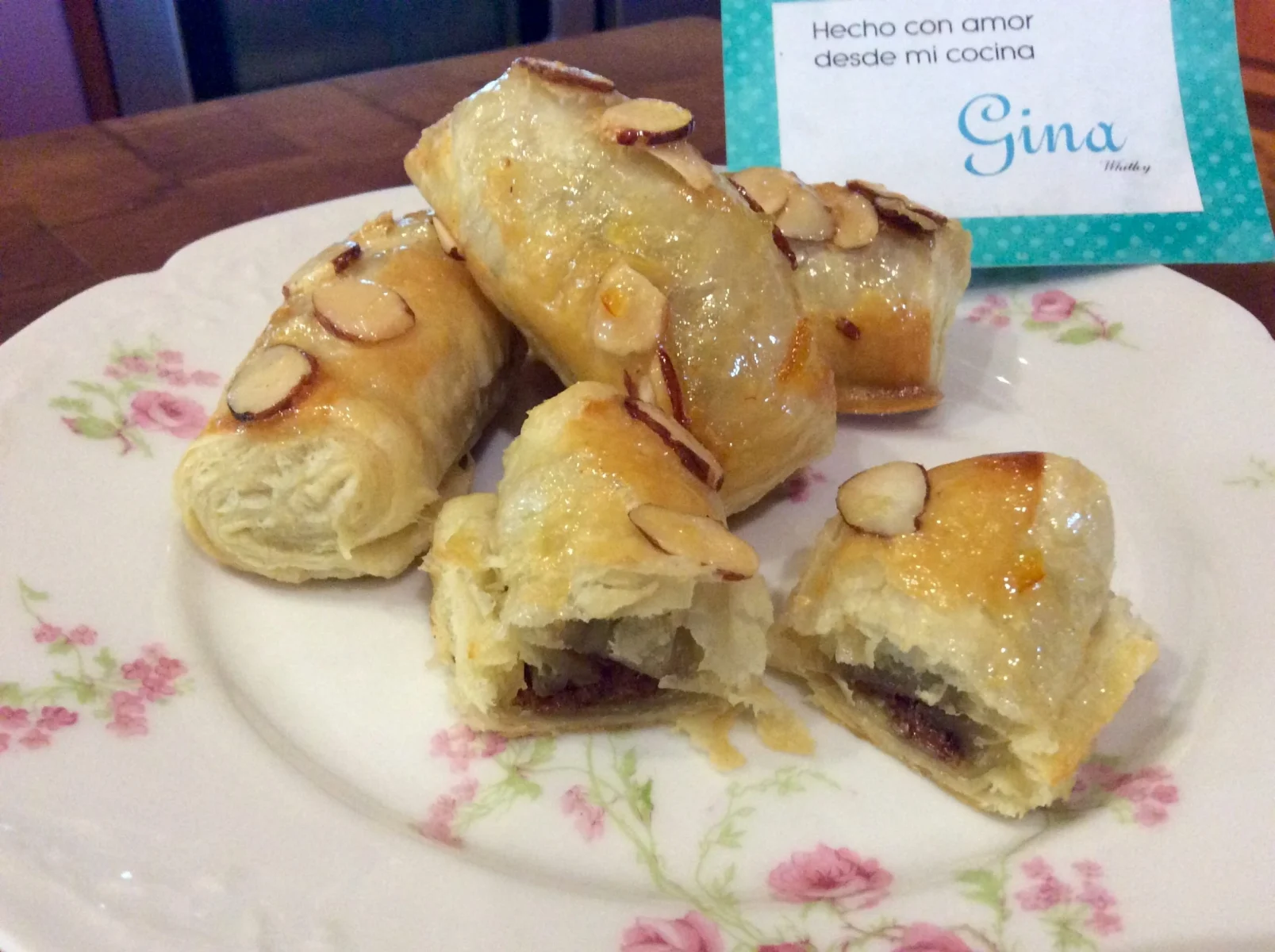
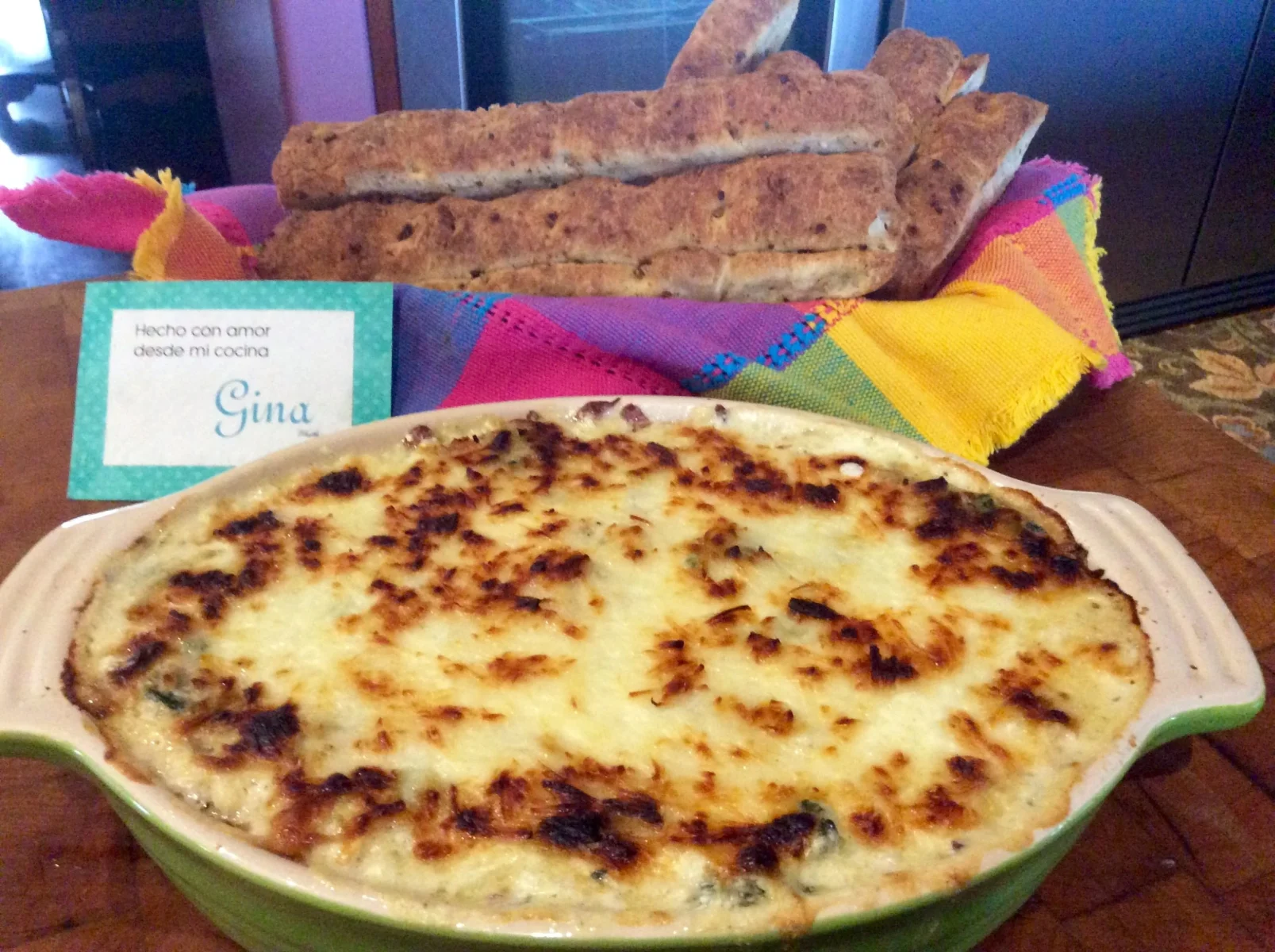
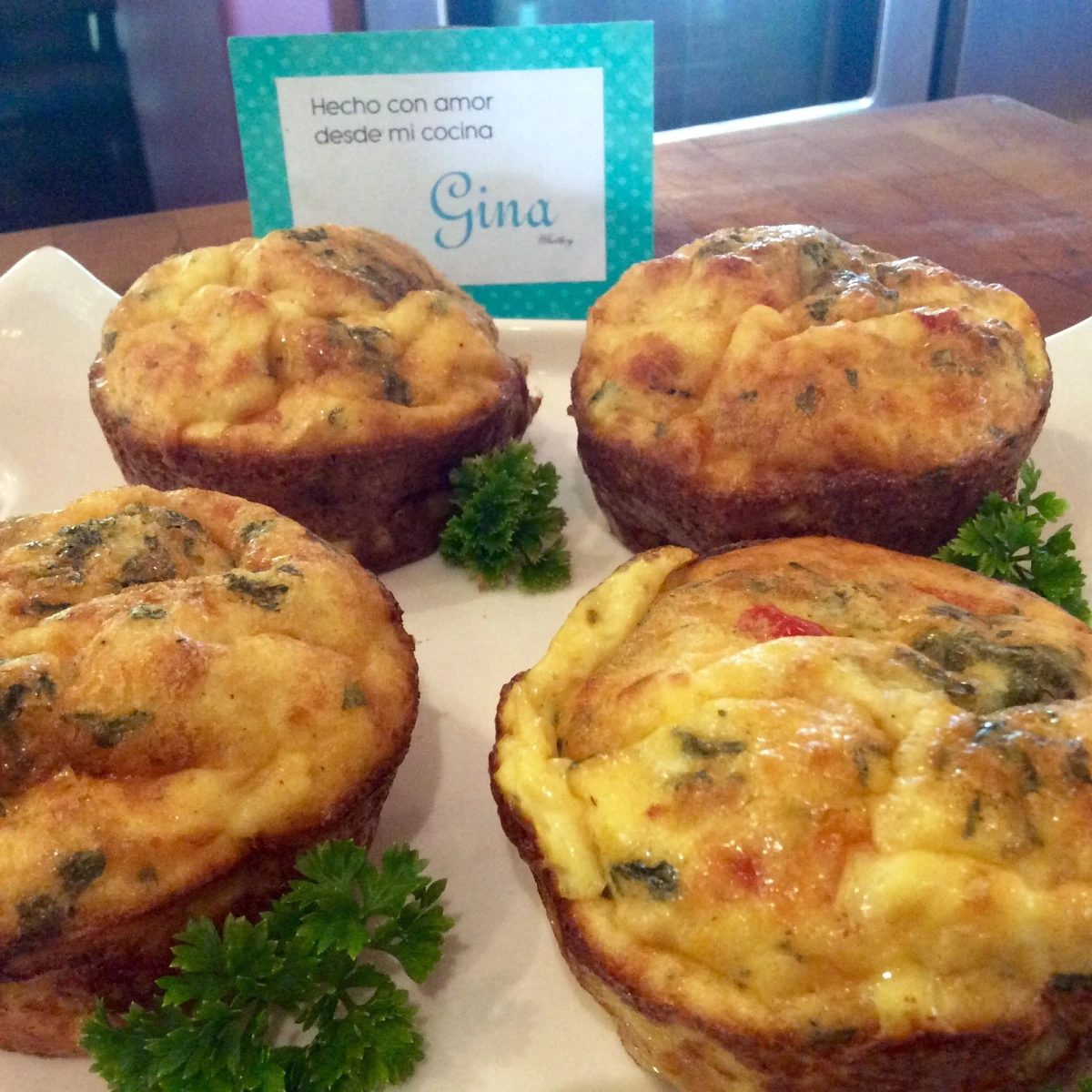

This ‘Tuna Pie’ was delicious at home ❤️. I followed the steps and it turned out perfectly on the first try.
I prepared it exactly like this ‘Tuna Pie’. I will make it again this weekend. highly recommended.