

Recipe for Shrimp Stuffed Shells
Hello! We are going to prepare some comforting stuffed shells baked pasta with a creamy, flavorful seafood filling. This dish combines the softness of baked pasta with the intensity of seafood, ideal for a family meal or a special dinner at home. Follow the step-by-step guide and you'll see that achieving the perfect point is much simpler than it seems, without complications or strange techniques.
When entering the kitchen, the most valuable thing is to understand the behavior of food. Many times we see baked dishes and think they require hours of absolute dedication, but the reality is very different. By combining accessible ingredients with a clear technique, we transform basic elements into a complete meal. The key to this preparation lies in the balance of moisture; we want a soft but firm interior, surrounded by a sauce that embraces the pasta without drowning it. Unlike the classic bread shells sweet that we usually see in bakeries, here we use the savory wheat version, large pieces specifically designed to hold generous fillings.
Trabajar con shrimp requires a little attention to cooking times, as it is a protein that cooks very quickly. If overcooked, it loses that firm but tender texture when bitten and becomes rubbery. Therefore, the final baking process gently finishes the cooking, protected by the cheeses and sauce. This approach ensures that each bite maintains the freshness of a good seafood recipe, while offering the undeniable comfort of a hot oven dish.
It's important to remember that home cooking doesn't seek the visual perfection of a restaurant, but rather deep flavor and the satisfaction of feeding our loved ones. When we prepare these types of recipes, we are building memories around the table. The combination of spinach, melting cheeses, and the subtle touch of spices creates an aromatic profile that will perfume your entire house long before you open the oven. Get ready to enjoy the process, calmly organize your ingredients and discover how a few simple steps lead you to a spectacular result.
Preparation time
Organization is the pillar of any successful meal. Before turning on the heat, reviewing the timings helps us structure our kitchen tasks and avoid unnecessary stress. This recipe is divided into two distinct phases: active work at the cutting board and pot, and passive work where the oven does all the magic for us.
- Preparation: 25 minutes
- Cooking: 45 minutes
- Total: 70 minutes
- Servings: 5
- Difficulty: Intermediate
Those 25 minutes of active preparation are the perfect time to practice what chefs call «mise en place», which is nothing more than having everything washed, chopped, and measured before starting. While the pasta water reaches boiling point, you have the exact time to chop the spinach and prepare the filling for the shrimp. This way, your kitchen stays clean and you maintain control of the situation. There's no need to rush or juggle hot pans.
During the 45 minutes of baking in the oven, your participation is minimal. This is the time you can use to put away utensils, prepare a side green salad, or simply rest. Understanding that cooking time is also free time completely changes the way we perceive cooking at home. Furthermore, slow baking allows the flavors of the Mexican dish or the chosen tomato sauce to penetrate the pasta, making it not just a container, but an integral part of the dish's flavor.
If you consider the recipe is for five people, the return on time invested is excellent. You invest barely half an hour of your full attention to feed an entire family. Even if there are leftovers, this is one of those dishes that develop better flavor the next day, as the cheeses and sauce settle, making the total work time a true investment for your meals of the week.
Ingredients
To ensure our preparation has the flavor and texture we are looking for, it is essential to respect the proportions and understand the function of each element. The quality of the cheeses will provide creaminess, while the spices will give that special character. Below, you have the exact list of what you need.
For the pasta
- 1 package of giant shell pasta
For the filling
- 1 pound large shrimp, peeled and deveined
- 2 cups fresh spinach, finely chopped
- 1 package of cream cheese
- 1/2 teaspoon Old Bay seasoning
- 1 cup of shredded mozzarella cheese
- 1/4 taza de queso parmesano rallado
- Salt and pepper (to taste)
For the sauce and assembly
- 1 1/2 cups marinara tomato sauce
Let's talk about the filling. The combination of cream cheese, mozzarella, and Parmesan is no coincidence. The cream cheese provides the creamy base that binds all the elements and prevents the seafood from drying out during baking. Mozzarella, for its part, is responsible for that elastic texture we love so much when serving a hot dish, while Parmesan acts as a natural flavor enhancer, providing a salty and deep touch. If you are a fan of vegetables, you can explore variations like some delicious spinach stuffed shells, but here the seafood is the star.
The use of Old Bay seasoning is a classic when we work with stuffed seafood or coastal preparations, as its blend of celery, paprika, and spices enhances the natural flavor of saltwater without overpowering it. If you cannot find this specific seasoning at your local store, you can easily substitute it by mixing a little sweet paprika, a pinch of garlic powder, celery salt, and a very small amount of dry mustard. This homemade mixture will serve the same aromatic function.
As for the spinach, it is vital that it is fresh and finely chopped. Frozen spinach retains too much water, which could ruin the consistency of our filling and turn it into a soup inside the pasta. By using fresh leaves, they will wilt slightly with residual heat and baking, maintaining their bright green color and providing a pleasant texture that contrasts wonderfully with the softness of the cheeses and the firmness of the seafood.
In case you don't have fresh shrimp, puedes reemplazarlo por la versión congelada, pero requerirá un trabajo extra de preparación: deberás descongelarlo completamente en el refrigerador desde la noche anterior y secarlo a la perfección con papel de cocina antes de picarlo, de lo contrario, soltará agua durante la cocción y diluirá el relleno.
Utensils we will use
You don't need professional equipment to achieve an exceptional dish. Home cooking requires practical and functional tools that facilitate the process. Having the right utensils on hand speeds up preparation and prevents us from having to improvise in the middle of the recipe, which can alter cooking times.
- Large pot
- Strainer
- Bol amplio
- Sharp knife
- Cutting board
- Spatula or wooden spoon
- Baking dish
- Aluminum foil
The large pot is probably the most critical utensil in the first stage. We need plenty of space for the pasta to move freely in the boiling water. If we use a small container, the pieces will collide with each other, the starch will concentrate, and they will end up sticking together, making it impossible to stuff them later. If you don't have a pot wide enough, it's preferable to cook them in two separate batches to ensure they maintain their perfect concave shape.
For assembly, we mentioned a baking dish. The ideal is a rectangular dish made of tempered glass or ceramic, as these materials distribute heat evenly and retain temperature once the dish comes out of the oven, keeping the food warm at the table. If you had to use a metal mold, keep in mind that the edges can heat up faster, so you'll need to watch that the sauce doesn't burn in the corners. There's no need to use any mounting rings or pastry tools; simply arranging them side by side is more than enough.
Aluminum foil plays an indispensable protective role. By covering the dish for most of the baking time, we create an enclosed steam environment that finishes cooking the pasta and heats the filling without drying out the top layer of cheese. Without this common kitchen utensil, the cheese would burn before the inside reached the proper temperature. In the end, we remove it only to achieve that appetizing golden brown that we all look for in a gratin dish.
Preparation
We've reached the most entertaining part: transforming all those loose ingredients into a complete dish. The process is very logical and sequential. First, we prepare the container (the pasta), then the content (the filling), and finally we unite them under the heat of the oven. Following this order, we avoid setbacks.
Pasta Preparation
- Boil the water: Fill the large pot with plenty of water and bring it to high heat. When it comes to a vigorous boil, add a generous amount of salt. The water should taste slightly salty, as this is the only time we will season the pasta directly.
- Cocinar las conchas: Carefully add the pasta. Cook for about 8 to 10 minutes. Pay close attention: we want them to be tender but still offer a slight resistance when bitten (al dente). If they are overcooked, they will break when stuffed.
- Drain and cool: Pour the pot over the colander in the sink. Briefly rinse the pieces under cold water from the tap to stop the cooking and prevent them from continuing to soften with their own heat. Drain well and set aside on a tray to prevent them from sticking.
Seafood Filling Preparation
- Clean and chop the seafood: Dry the shrimp very well with paper towels. Cut them into small cubes, about one centimeter. We want pieces that you can feel when chewing, but that fit well inside each pasta piece.
- Mix the creamy base: In the large bowl, place the cream cheese (it's essential that it's at room temperature to avoid lumps). Add the mozzarella, parmesan, chopped spinach, Old Bay seasoning, a pinch of salt, and pepper.
- Integrate the filling: Incorpora los cubos de marisco al bol. Usa la espátula para mezclar todo con movimientos envolventes hasta obtener una masa homogénea y bien distribuida.
Armado y horneado
- Prepare the dish: Precalienta tu horno a temperatura media (aproximadamente 175 grados C o 350 grados F). En el fondo de tu fuente para horno, esparce media taza de la salsa de tomate. Esto evita que la pasta se pegue y aporta humedad desde abajo.
- Rellenar las piezas: Toma una concha cocida y, con ayuda de una cuchara normal, llénala generosamente con la mezcla de quesos y marisco. Acomódala en la fuente sobre la salsa. Repite hasta terminar con la pasta o el relleno, colocándolas una junto a la otra sin apretarlas demasiado.
- Cover and bake: Vierte el resto de la salsa de tomate por encima de las piezas rellenas. Cubre la fuente herméticamente con papel de aluminio. Lleva al horno durante 40 minutos para que los sabores se integren y el interior esté completamente cocido.
To finish and serve
Una vez transcurridos los 40 minutos, retira el papel de aluminio y, si lo deseas, puedes dejar la fuente en el horno 5 minutos más sin tapar para que la superficie tome un color ligeramente dorado. Al sacar la fuente del horno, es obligatorio dejar reposar el plato durante unos 5 a 10 minutos a temperatura ambiente. Este reposo permite que los jugos se reabsorban y que los quesos se asienten, facilitando que puedas servir las porciones sin que se desarmen en la espátula. Sirve caliente, llevando la fuente directamente a la mesa. Lo ideal es acompañar este plato con una ensalada de hojas verdes aliñada con limón o vinagreta ligera, cuyo ácido cortará perfectamente la riqueza de los quesos, o incluso con un buen pan crujiente para aprovechar hasta la última gota de la salsa en el plato.
Nutritional Information
Comprender el perfil de lo que comemos nos ayuda a equilibrar nuestro menú diario. Este plato es sustancioso y aporta la energía necesaria para afrontar la jornada, combinando macronutrientes de forma efectiva. El marisco proporciona una base excelente de proteínas magras, mientras que la pasta ofrece la energía duradera de los carbohidratos.
- Calories: 650 kcal
- Proteins: 35 g
- Fats: 24 g
- Carbohydrates: 70 g
- Fiber: 5 g
Ten en cuenta que estos valores son estimaciones por porción y pueden variar dependiendo de la marca exacta de pasta que utilices o del contenido graso de los quesos elegidos. El equilibrio de esta comida radica en que la proteína principal es muy ligera, lo que compensa la riqueza de los quesos. Para mantener una alimentación balanceada, siempre es recomendable integrar este tipo de preparaciones dentro de un marco donde abunden los vegetales frescos a lo largo del día.
5 keys to make it perfect
El control de la humedad en el relleno
El error más común al preparar cualquier tipo de pasta rellena en casa es terminar con una bandeja llena de agua. Esto sucede porque no controlamos la humedad de los ingredientes antes de hornear. Como usamos marisco fresco y vegetales, ambos soltarán líquido con el calor. Es absolutamente indispensable secar el camarón a conciencia con papel absorbente antes de picarlo. De igual forma, al usar espinaca fresca, nos aseguramos de que no aporte el exceso de agua que sí tiene la espina congelada. Si dominas este control de líquidos, el queso crema podrá hacer su trabajo como aglutinante y el interior de tu plato será denso, rico y perfectamente cremoso.
El punto de cocción previo de la pasta
La pasta pasará unos 40 minutos dentro del horno. Si la hierves hasta dejarla completamente blanda en la olla, el calor posterior la convertirá en un puré que se romperá al intentar servirlo. El secreto está en hervirla solo lo suficiente para que pierda su rigidez y sea maleable, permitiendo abrirla con los dedos sin que se quiebre. Debes sentir que el centro de la masa aún está ligeramente firme. Ese almidón crudo en el interior terminará de cocinarse absorbiendo el vapor de la salsa de tomate y los jugos del relleno, logrando una textura final íntegra y agradable.
La temperatura de los quesos
Intentar mezclar queso crema recién sacado del refrigerador con espinacas y trozos de proteína fría es una receta segura para obtener grumos. Para que el relleno sea sedoso y homogéneo, saca el queso crema a temperatura ambiente al menos una hora antes de comenzar a cocinar. Al estar suave, envolverá los trozos de marisco y atrapará el queso rallado y las especias, distribuyendo el sabor del Old Bay uniformemente por toda la mezcla. Una mezcla uniforme garantiza que cada bocado tenga exactamente la misma cantidad de sabor y textura, elevando la calidad de tu traditional cuisine homemade.
El uso estratégico de la salsa
La salsa no es solo un acompañamiento de sabor; es un medio de cocción. La capa que ponemos en el fondo de la fuente cumple el propósito técnico de evitar que la pasta se pegue o se queme por el calor directo de la base del horno. La salsa que vertemos por encima evita que la pasta quede expuesta al aire caliente y se seque, volviéndose dura. No escatimes en esta parte, pero tampoco inundes la fuente; buscamos que la pasta esté cubierta, pero que la forma de las piezas siga siendo visible y atractiva.
El sagrado tiempo de reposo
La impaciencia es el enemigo del emplatado. Cuando sacas una fuente hirviendo del horno, los quesos están en estado líquido y los jugos bullen. Si intentas servir las porciones en ese preciso instante, todo el relleno se desparramará por el plato y perderás la bonita presentación de la concha entera. Darle al plato entre 5 y 10 minutos de reposo sobre la encimera permite que la temperatura descienda ligeramente, los quesos se asienten y la estructura general se estabilice. La comida seguirá estando perfectamente caliente, pero será mucho más fácil de servir y de comer.
When is it ideal to enjoy it?
Este es el tipo de preparación que brilla con luz propia durante los fines de semana o en aquellas reuniones familiares donde queremos ofrecer algo especial sin tener que pasar la tarde entera vigilando los fogones. Su formato en porciones individuales lo hace sumamente práctico para servir en la mesa, ya que cada comensal recibe un par de piezas enteras, facilitando la distribución y garantizando que todos disfruten de la misma proporción de ingredientes. Además, es un plato sumamente versátil que se adapta a distintas épocas del año; su calidez reconforta en las noches frías de invierno, mientras que el perfil fresco del marisco evoca los sabores del verano, sobre todo si lo combinamos con bebidas frías y acompañamientos ligeros.
Por otro lado, puede transformarse maravillosamente dependiendo de la ocasión. Si estás organizando una comida con varios tiempos, servir una sola pieza grande bañada en salsa funciona como un elegante appetizer caliente antes del plato principal, abriendo el apetito con su combinación de quesos y proteínas. Para un menú festivo o de celebración, puedes planificar una mesa temática costera, sirviendo estas pastas como plato fuerte y ofreciendo de entrada algo fresco y vibrante, como una causa limeña de pulpo. La facilidad de poder armar la fuente horas antes y simplemente hornearla cuando llegan los invitados, convierte a esta receta en una aliada incondicional para quienes disfrutan de ser anfitriones sin perderse la charla en la sala.
Share your experience
La cocina es para experimentar, adaptar y, sobre todo, para compartir con los demás. Una receta es solo una guía, un mapa que te lleva a un destino sabroso, pero tú eres quien lleva el timón en tu propia cocina. Tal vez decidas agregar un toque de picante a la salsa, o prefieras usar una mezcla de quesos diferente según lo que tengas a mano en el refrigerador. Todo es válido cuando se hace con criterio y cariño por los ingredientes.
Nos encantaría saber cómo te fue con esta preparación. ¿Lograste el punto exacto de la pasta? ¿Hiciste alguna variante que sorprendió a tu familia? Deja tu comentario y comparte tus propios ajustes. A veces, un simple cambio sugerido por alguien que preparó el plato ayer, puede convertirse en el secreto favorito de quien lo cocinará mañana. ¡Anímate a contarnos tu experiencia en los fogones!
Culinary glossary
A lo largo de la receta hemos utilizado algunos términos que es útil conocer y dominar. Entender este lenguaje básico te dará más seguridad a la hora de leer y ejecutar futuras preparaciones, eliminando cualquier duda sobre las técnicas requeridas.
Al dente
Término italiano que describe el punto de cocción ideal de la pasta. Significa «al diente» y se refiere a que la pasta está cocida y flexible por fuera, pero aún mantiene un núcleo ligeramente firme que ofrece una resistencia muy suave al masticar. No está cruda, pero tampoco está blanda ni pastosa.
Devein
Es la acción de retirar el tracto digestivo de los crustáceos, específicamente de los camarones o langostinos. Se trata de esa fina línea oscura que recorre el lomo o la espalda del animal. Hacerlo mejora significativamente tanto la presentación del ingrediente como su higiene y sabor final.
Mise en place
Concepto de origen francés que literalmente significa «puesto en el lugar». Se refiere a la práctica de organizar, medir, pelar, cortar y disponer todos los ingredientes e instrumentos de cocina necesarios antes de empezar a cocinar. Es la técnica fundamental para cocinar de forma relajada y ordenada.
Folding movements
Técnica para mezclar ingredientes de distintas densidades sin aplastarlos. Consiste en introducir la espátula por el borde del bol hasta el fondo y levantar la mezcla hacia el centro, rotando el recipiente al mismo tiempo. Ayuda a integrar elementos de manera suave, cuidando de no romper trozos delicados de comida.
Broil
Técnica de someter la parte superior de un plato a una fuente de calor intenso y directo (generalmente en el horno) para crear una costra dorada y crujiente. Suele hacerse con queso rallado, pan molido o salsas ricas en grasa, aportando textura y un sabor tostado muy característico a la preparación final.


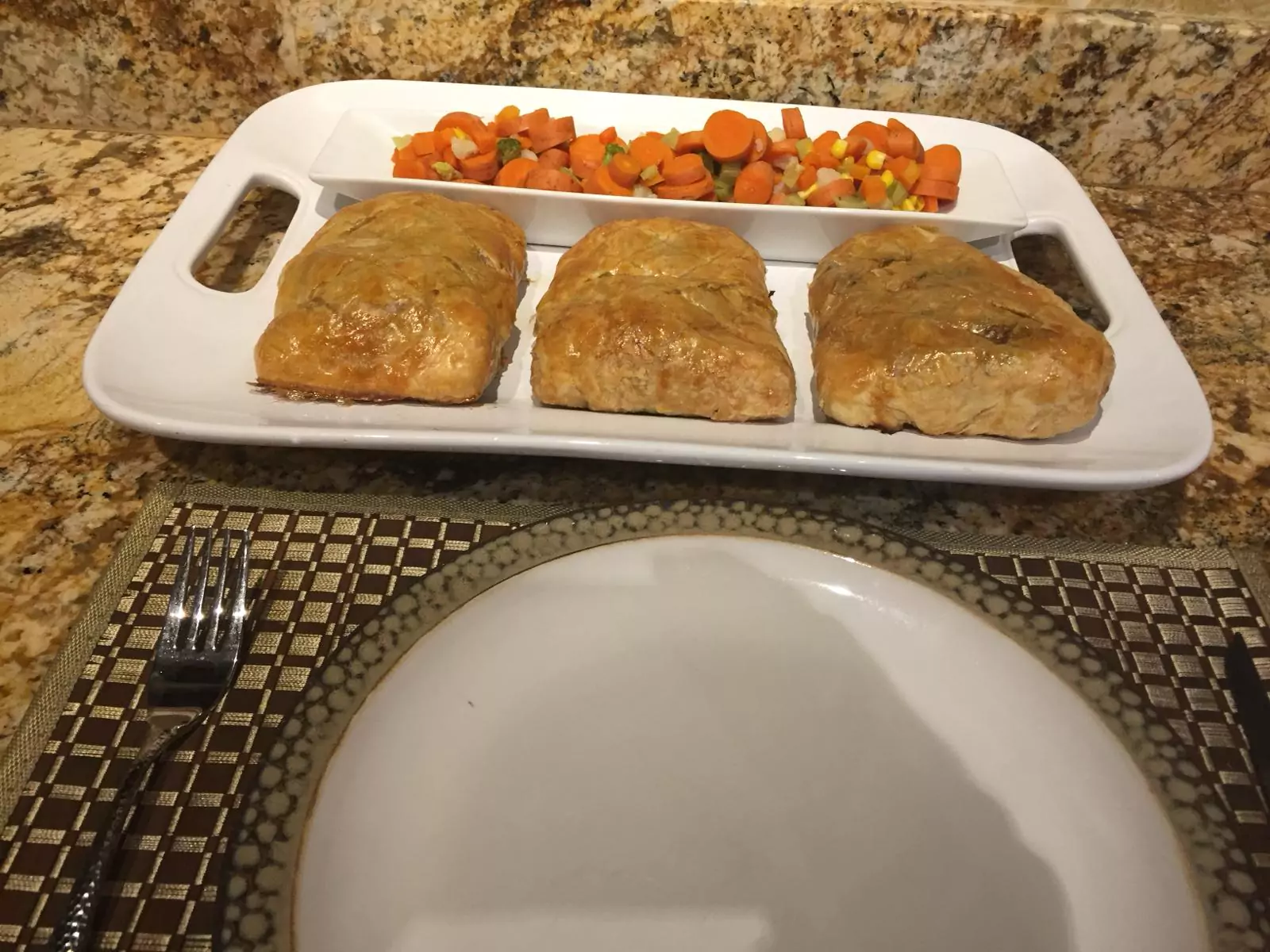
Very practical and tasty this ‘Shrimp Stuffed Shells’ ❤️.
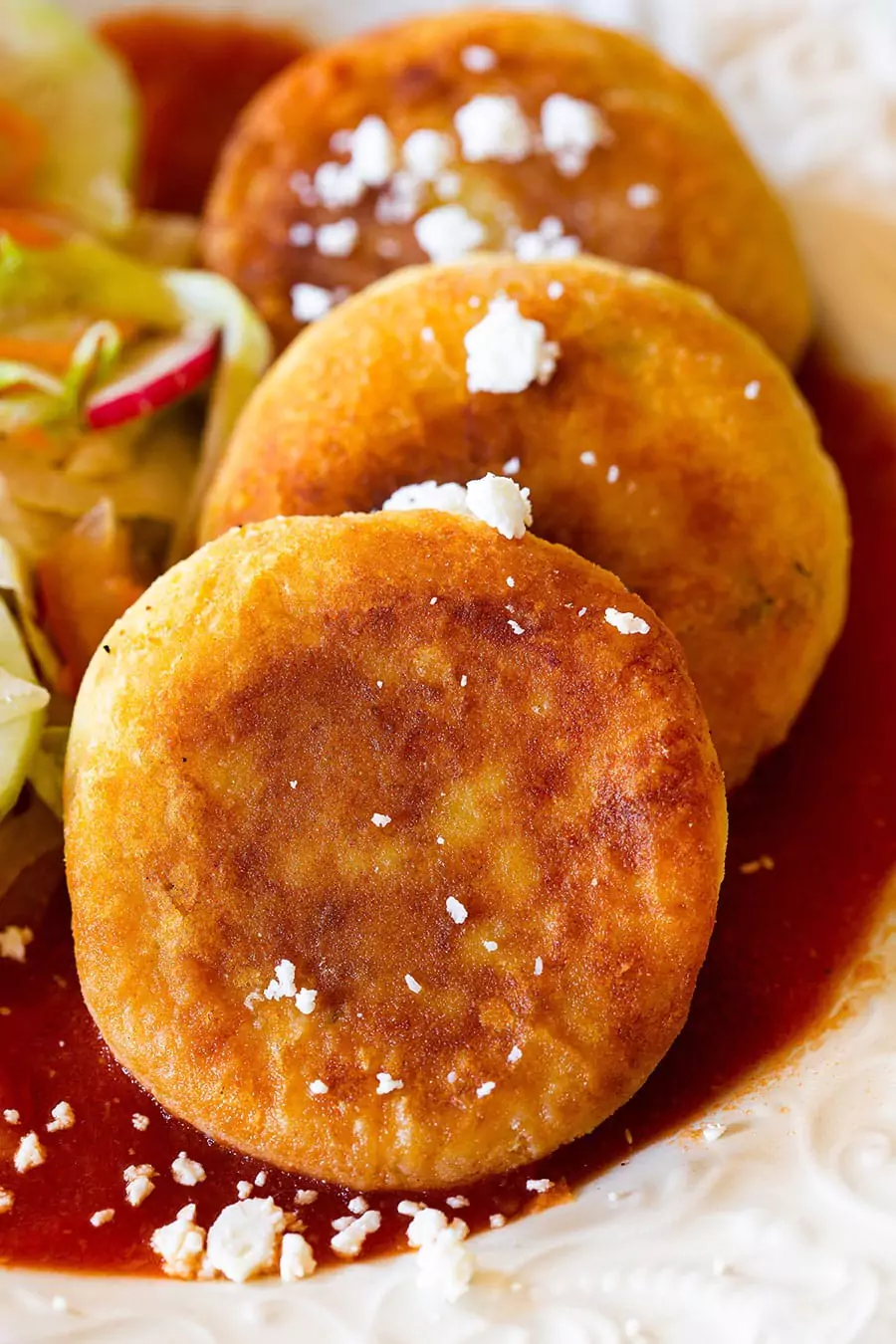
Simple and delicious this ‘Shrimp Stuffed Shells’ ✨.
Impeccable texture and flavor this ‘Shrimp Stuffed Shells’. I followed the steps and it came out perfectly the first time. I loved how it combines with toasted nuts.