

Turtle Cheesecake Recipe
Hello! We are going to prepare a spectacular recipe that combines a firm base, a dense filling, and abundant layers of sauces and nuts. This preparation is inspired by classic desserts that mix these same elements, taking that idea to a large format perfect for sharing. Achieving this dish at home is a methodical but simple process, and the final result compensates for every step. Follow the instructions and you will have an excellent result without unnecessary complications.
The origin of this ingredient combination
The idea of combining these components comes from classic pastry-making that seeks to balance textures. By combining a base that provides resistance to cutting with a very creamy, an ideal contrast is achieved. Toasted flavors are complemented by sweet notes and light touches of salt. Many traditional recipes require complex techniques. This version adapts those methods to the domestic environment of 2026. Current kitchen equipment maintains stable temperatures. This facilitates the process without the need for professional tricks. You can obtain a firm and crack-free result by following basic temperature rules.
This cheesecake is distinguished by having internal layers. It doesn't just have decoration on top. Sauces are integrated into the mixture before heating. This ensures that each portion has all the flavors present. The contrast between the smoothness of the cheese and the crunchiness of the walnuts is fundamental. If you have ever tried a salted caramel cheesecake, you'll notice similarities in the flavor base. However, the addition of cocoa and nuts whole completely changes the experience. It's a dessert substantial. Each slice satisfies immediately.
Why it works without complex methods
Most of these tarts require cooking with water around the mold. That method generates steam and protects the edges from direct heat. In this recipe, we omit that step. The formula is designed to tolerate the dry heat of the oven. The secret lies in the proportion of fats and in temperature control. Using whole block cheese provides the necessary stability. Mixing at low speed avoids incorporating air. Trapped air expands with heat and breaks the surface. By avoiding air, the batter rises evenly.
Cooling is the second part of the secret. A sudden change in temperature causes immediate cracks. Therefore, the process includes resting inside the turned-off oven. This simulates the protective effect of steam. The temperature gradually decreases. The structure of the mixture settles uniformly. It is a foolproof technique that you can apply to other similar preparations. It requires patience but avoids dealing with trays of boiling water. This direct approach makes the recipe accessible to anyone in their own kitchen.
Preparation time
Reviewing the times before starting helps organize the day in the kitchen. Take these minutes into account to plan your session.
- Preparation: 30 minutes
- Cooking: 55 minutes
- Total: 8 hours and 25 minutes
- Servings: 12
- Difficulty: Intermediate
The importance of respecting the clock in baking
The active working time is quite short. You only need half an hour to measure, mix, and assemble the layers. However, the total time is extensive. This is due to mandatory resting periods. Baking depends on chemical reactions that take their time. The cheese needs to soften outside the refrigerator before starting. If you try to beat cold cheese, impossible-to-dissolve lumps will remain. The eggs must also lose their chill. This ensures that the mixture is homogeneous from the first minute. Plan to take out your ingredients at least two hours before starting.
The oven process requires attention to visual cues. The indicated time of 55 minutes is a guide. Each oven heats differently. The important thing is to observe the center of the cheesecake. It should have a slight wobble, like jelly. The edges should look opaque and firm. If the center is liquid, it requires more heat. If everything is rigid, it's overcooked. Removing the preparation at the exact moment guarantees that soft texture we are looking for. Excessive cooking results in a sandy and dry consistency.
The cold setting process
The longest stage is cooling. First, it occurs inside the turned-off oven for one hour. Then, the preparation must reach room temperature on the counter. This takes a couple of additional hours. Finally, it needs at least six hours in the refrigerator. This cold step is non-negotiable. During this time, the fat from the cheese and butter re-solidifies. The internal structure becomes stable. If you cut the cake prematurely, it will fall apart on the plate. Patience is the most important ingredient in this phase.
Leaving the preparation in the refrigerator overnight is the best option. Flavors intensify with time. Moisture is evenly distributed throughout the mass. Internal sauces settle and do not run when cut. The next day, the final decoration will only take a few minutes. This stage-by-stage organization makes the process less burdensome. You can do the baking one afternoon and finish the presentation the next morning. This way, you will have an impeccable result without last-minute stress.
Ingredients
Gather everything on your counter before starting. Measuring in advance makes the work easier. Here is the list of what we will use.
For the chocolate swirl
- Heavy cream: 60 milliliters
- Chopped semi-sweet chocolate: 57 grams
For the dough
- Graham cracker crumbs: 170 grams
- Finely chopped walnuts: 40 grams
- Brown sugar: 3 tablespoons
- Melted unsalted butter: 98 grams
For the filling
- Cream cheese in block at room temperature: 680 grams
- White sugar: 150 grams
- Brown sugar: 50 grams
- Sour cream at room temperature: 120 grams
- Vanilla extract: 3/4 teaspoon
- Large eggs at room temperature: 3 units
- Caramel sauce: 60 milliliters
For the topping
- Caramel sauce: 80 milliliters
- Chopped semi-sweet chocolate: 30 grams
- Whipping cream: 2 tablespoons
- Chopped and halved walnuts: 90 grams
The type of cheese is crucial. You must buy the block presentation. Spreadable versions contain more water and less fat. If you use the spreadable version, the filling will not firm up. Sour cream provides a necessary acidic touch. It cuts through the sweetness of the sugars. If you don't have sour cream, you can replace it with plain whole yogurt. Make sure the yogurt has no flavorings or added sugar. The result will be very similar in texture and acidity balance.
Graham crackers have a particular honey and wheat flavor. If they are difficult to find in your area, there are alternatives. You can use Maria cookies or simple vanilla cookies. You just need to crush them into a powder. The chocolate must be of good quality. Supermarket chips have stabilizers to prevent them from melting in the oven. It is better to use a whole bar and chop it with a knife. This ensures that the liquid mixture is silky and shiny. The caramel can be bought or homemade. If you buy it, look for a thick one, similar to what is used for ice cream.
Utensils we will use
Having the right tools simplifies the process. You don't need professional-grade equipment. With basic household implements, you can achieve a perfect finish.
- 23-centimeter springform pan
- Mixing bowls of various sizes
- Electric hand or stand mixer
- Silicone spatula
- Sharp knife and cutting board
- Measuring cups and spoons
Adapting tools to your kitchen
The springform pan is the most important tool. It allows you to release the base without flipping the dessert. Flipping such a delicate preparation would end in disaster. If you don't have a springform pan, there's a homemade solution. You can line a deep round pan with two long strips of parchment paper. Place them in a cross shape, letting them extend over the edges. When the mixture is completely cold and solid, you use those strips to pull it up and out. It requires strength and care, but it works in a pinch. In any case, investing in a springform pan is worth it.
The electric mixer is necessary to soften the cheese. Doing it by hand requires a lot of physical strength and it's difficult to eliminate all lumps. You can use a simple hand mixer. Use the normal wire beaters. Always keep the speed at the lowest level. The goal is to mix, not whip. If you use a stand mixer, choose the paddle attachment. The paddle mixes by pressing the ingredients against the bowl. This prevents introducing unnecessary air bubbles. Air is the enemy of a smooth surface in this specific recipe.
Handling tools during the process
The silicone spatula plays a key role. You must use it constantly to scrape the sides and bottom of the bowl. Mixers don't always reach the bottom. Sometimes a layer of unmixed cheese remains hidden underneath. If that layer reaches the pan, you will have areas with uneven texture. Firmly scrape with the spatula after adding each new ingredient. Measuring cups should be used level. Weigh the ingredients if you have a scale. Precision ensures that the base is neither too dry nor too greasy. Excess butter will cause the base to leak grease during heating.
To chop the dark chocolate bar, use a large chef's knife. Place a sturdy cutting board underneath. Chop from a corner of the bar with firm movements. Small pieces melt faster in the microwave. This prevents certain parts from burning while others remain solid. Clean your tools between steps to avoid mixing cookie crumbs with the white filling. Organizing your bowls keeps the workspace clear. An organized environment reduces errors when following the steps.
Preparation
Follow these steps in order. Organizing the stages ensures that each component has the correct temperature and texture at the time of assembly. Read everything once before starting.
1. For the dark swirl
- Place the cream and chopped chocolate bar in a small heat-resistant bowl.
- Heat in the microwave for 25 seconds on high power.
- Remove and stir gently with a small spoon.
- Heat again for another 25 seconds and stir until you get a smooth and shiny mixture.
- Set aside on the counter to cool down while you prepare the rest.
This step is done first to ensure that the liquid is not boiling when it comes into contact with the cheese. If you apply direct heat, you will alter the texture of the filling. As it rests, it takes on a thicker consistency. This makes it easier to spread it in threads over the dough without it sinking completely. If you notice small solid lumps remaining, do not reheat immediately. Keep stirring. The residual heat from the container is usually enough to melt the last pieces. If it cools too much and hardens afterward, you can give it three seconds in the microwave to loosen it up a bit.
2. For the crunchy base
- Turn on your oven to 165 degrees Celsius to preheat it.
- In a bowl, combine the cookie crumbs, very finely chopped nuts, and brown sugar.
- Pour the liquid butter over the dry ingredients.
- Stir with a fork until it looks like wet sand and all the powder has a uniform dark color.
- Pour this mixture into your springform pan.
- Press firmly, covering the entire bottom and bringing the mixture up the side walls.
Bringing the base up the walls is a very useful protective step. When the center contracts as it cools, the high base accompanies that movement. This greatly reduces surface tension. Use the flat bottom of a glass to press the crumbs. It will give you an even and compact finish. If the base is loose, it will crumble when serving each portion. Firm pressure ensures that the butter acts as glue. Preheating the equipment in advance ensures that the temperature is stable from the first minute of heat.
3. For the smooth filling
- Place the softened cheese and both types of sugar in a large bowl.
- Beat at medium speed until there are no lumps and it looks like a uniform cream.
- Add the sour cream and vanilla extract. Beat at low speed just until combined.
- Break the first egg into a small plate and beat it lightly with a fork.
- Add it to the bowl and mix at low speed just until it disappears. Repeat this step with the two remaining eggs, one by one.
- Run your spatula along the edges and bottom to ensure a perfect mix.
Lightly beating the eggs before adding them is a very valuable tip. Break the yolk and white outside the main bowl. This drastically reduces the beating time needed to incorporate them into the thick batter. Less beating time means less air introduced. If you overdo it at this point, you will notice that the batter inflates a lot in the heat and then collapses in the center. The texture should be silky and dense, not foamy. The combination of sugars provides extra moisture. Brown sugar highlights the caramelized tones of the final result.
4. For assembly and baking
- Pour one-third of the white batter over the prepared base.
- Spread half of the golden sweet sauce in threads over the filling.
- Add half of the dark mixture you prepared at the beginning in the form of threads.
- Cover with another third of the white batter very carefully.
- Repeat the golden and dark threads with the remaining sauces.
- Finish by covering everything with the rest of the white batter and smooth the surface with your spatula.
- Lleva el molde al centro del horno y cocina entre 50 y 55 minutos.
- Revisa el punto: los bordes deben estar firmes y el centro debe moverse ligeramente al agitar el molde.
Crear capas internas garantiza que cada bocado tenga múltiples texturas. No te preocupes si los hilos no quedan perfectos. Al alisar la última capa superior, todo quedará oculto. Al ubicar el molde en el horno, elige la rejilla central. El calor debe circular por arriba y por abajo de forma equitativa. No abras la puerta durante los primeros cuarenta minutos. Perder calor altera el proceso de coagulación del huevo. Confía en las señales visuales. Ese ligero temblor en el centro es la confirmación de que la humedad interior es perfecta. Se terminará de afirmar con el calor residual.
5. To finish and serve
Una vez alcanzado el punto de cocción, apaga el calor y abre la puerta del horno apenas unos centímetros. Deja el molde adentro por una hora entera. Después, sácalo a la mesa y espera a que el molde se sienta a temperatura ambiente al tocarlo con la mano. Llévalo al refrigerador sin cubrir por un mínimo de seis horas. Cuando esté bien frío, prepara la decoración final repitiendo el proceso de fundir las cantidades de la cobertura oscura con su porción de crema. Rocía la superficie fría con hilos dorados y oscuros. Reparte los frutos secos enteros por encima. Regresa al frío por quince minutos para que las salsas fijen. Para porcionar, pasa un cuchillo bajo el chorro de agua muy caliente, sécalo con papel y haz el primer corte. Limpia y calienta la hoja entre cada rebanada. Sirve en platos individuales manteniéndolo frío hasta el último minuto.
Nutritional Information
Conocer los valores aproximados ayuda a integrar este plato en una dieta balanceada. Los datos reflejan una porción asumiendo que el molde se divide en doce partes iguales.
- Calorías: 471 kcal
- Proteins: 13 g
- Grasas: 27 g
- Carbohidratos: 47 g
- Fiber: 2 g
Estos valores son estimaciones por porción basadas en ingredientes estándar de supermercado.
Understanding the recipe components
Este plato es denso y rico en energía. La grasa proviene principalmente del queso, la mantequilla y los frutos secos. Las grasas aportan textura y actúan como portadoras de sabor en el paladar. La combinación con los azúcares crea esa sensación satisfactoria que define a un postre completo. Una porción rinde mucho porque el sabor es intenso. No necesitas rebanadas enormes para disfrutar de la experiencia. Si prefieres porciones más moderadas, puedes dividir el diámetro en dieciséis partes finas. El uso de un cuchillo caliente asegura que los cortes finos no se rompan ni se desmoronen en el plato.
Los carbohidratos provienen de la base de galleta y de las salsas dulces añadidas. La adición de frutos secos aporta algo de fibra, lo que suma textura a la masticación. Puedes adaptar el tamaño del corte según la ocasión. Si lo sirves después de una comida muy abundante, cortes delgados son ideales. Si es el protagonista de una tarde de café, una rebanada tradicional es perfecta. No hay reglas estrictas. Lo importante es disfrutar el balance entre lo crujiente y lo suave.
How to preserve freshness and texture
Almacenar correctamente las porciones sobrantes es fundamental. Este alimento requiere refrigeración constante debido a los lácteos. Mantén las rebanadas en un recipiente hermético en el refrigerador. Durarán en excelente estado hasta por cinco días. Es normal que la base se ablande un poco con los días debido a la humedad del ambiente cerrado. Sin embargo, el sabor se mantendrá intacto y las salsas seguirán firmes. Evita dejar el plato expuesto al aire de la nevera. El queso absorbe olores de otros alimentos con mucha facilidad. Siempre cúbrelo bien o guárdalo en un tupper cerrado.
Si deseas guardar piezas para consumir semanas después, la congelación funciona maravillosamente. Envuelve cada rebanada individualmente en plástico antiadherente. Luego, envuélvelas en papel aluminio para evitar quemaduras por frío. Puedes mantenerlas congeladas hasta por dos meses. Para descongelar, pasa la porción al refrigerador una noche antes. No intentes calentarlo en el microondas para descongelarlo rápido. El calor directo derretirá la estructura y arruinará el esfuerzo. Una descongelación lenta devuelve la textura exacta del primer día. Es un método excelente para tener un bocado especial siempre disponible en casa.
5 keys to make it perfect
Dominar esta técnica requiere prestar atención a detalles específicos. Aquí profundizamos en los factores que marcan la diferencia entre un resultado promedio y uno excepcional.
1. Ingredients at correct temperature
Este es el pilar central de todo el proceso. Si tocas el queso y se siente frío, debes esperar. Los ingredientes a temperatura de ambiente se integran sin fricción. Forman una emulsión lisa de inmediato. Cuando mezclas componentes fríos, la grasa se agrupa formando pequeños bultos duros. Estos bultos no desaparecerán en el horno. Al final, tendrás puntos blancos de queso sin sabor en medio de tu rebanada. Organiza tu tiempo y deja los lácteos sobre la mesa con varias horas de anticipación. Notarás la diferencia en la facilidad del batido.
2. Control speed when mixing
La tentación de usar la batidora a máxima velocidad es común. Parece que ahorrará tiempo. En esta preparación específica, la velocidad alta es contraproducente. Bate siempre al mínimo una vez que el queso y el azúcar estén unidos. El objetivo es mezclar, no incorporar aire. Demasiado aire crea una estructura frágil. En el calor, esa estructura se infla como un globo y luego colapsa al salir a la cocina fría. Esto genera hundimientos masivos en el centro y grietas en los bordes. Trabaja con calma y movimientos envolventes lentos.
3. Build firm walls
La base no debe quedarse solo en el fondo del recipiente. Es vital usar tus manos o un vaso para subir la mezcla por los laterales. Construir paredes de galleta cumple una función mecánica. Cuando el interior comienza a enfriarse, la masa se contrae naturalmente. Si la masa está pegada al metal liso, la tensión la romperá por la mitad. Si está apoyada contra una pared de galleta, la contracción ocurre de manera uniforme. La masa se desliza junto con la base hacia adentro, evitando que la tensión superficial rompe el centro liso.
4. Avoid sudden climate changes
La regla de oro del enfriamiento gradual no debe romperse. Abrir la puerta bruscamente para sacarlo a la mesa fría genera un choque térmico. Ese choque agrieta la superficie al instante, incluso si todo lo demás se hizo perfecto. Dejar la puerta abierta con una cuchara de madera trabada permite que el aire caliente escape muy despacio. La transición dura una hora. Después de eso, dejarlo en la mesa garantiza que llegue a temperatura ambiente antes de entrar al frío intenso. Cada paso tiene un propósito térmico indispensable.
5. Enhance nuts
Usar los frutos secos directamente de la bolsa funciona, pero tostarlos eleva el sabor notablemente. Colócalos en un sartén seco a fuego medio. Muévelos constantemente durante tres a cinco minutos. Verás que desprenden un aroma intenso y cambian ligeramente de color. Apaga el fuego y pásalos a un plato para frenar la cocción. Este simple proceso libera los aceites naturales y mejora su consistencia crujiente. Contrarresta perfectamente la humedad de la mezcla central. Deja que se enfríen por completo antes de picarlos y usarlos en la masa o la decoración.
When is it ideal to enjoy it?
Este plato destaca en cualquier mesa por su presentación y su perfil de sabor intenso. Es una opción brillante para cerrar ocasiones importantes. Las reuniones de fin de año, aniversarios familiares o cenas de celebración son el escenario natural para presentarlo. Su riqueza pide ser el centro de atención. Prepararlo con anticipación permite al anfitrión disfrutar del evento sin estar atrapado en la cocina a última hora. Solo se necesita sacar el plato del refrigerador y cortar en el momento de servir. Esa practicidad lo convierte en un favorito para recibir invitados en casa de manera relajada.
Considera el menú previo al elegirlo. Funciona de maravilla después de platos ligeros o con notas ácidas. Si sirves una ensalada fresca o carnes a la parrilla, este cierre contundente equilibra la experiencia. Por el contrario, si la comida principal es muy pesada, como guisos densos, es recomendable servir porciones muy delgadas. Acompáñalo siempre con bebidas que ofrezcan contraste. Un café sin azúcar o un té negro fuerte son compañeros ideales. El amargor de la bebida limpia el paladar entre bocados, permitiendo saborear cada capa sin saturar las papilas gustativas. Esa combinación eleva la percepción de calidad en casa.
También es excelente para tardes de clima frío. El dulzor profundo y las notas tostadas evocan calidez. Si bien se sirve frío, su densidad lo hace sentir como un plato reconfortante. En 2026, la tendencia de disfrutar pastelería compleja en casa sigue creciendo, y esta receta encaja perfectamente en esa dinámica de crear momentos especiales sin depender de panaderías comerciales. Al final, cualquier ocasión donde quieras demostrar cariño a través de la comida es el momento correcto para ofrecer este trabajo manual lleno de texturas y contrastes.
Share your experience
La cocina es para experimentar y compartir. Una vez que lleves a cabo estos pasos en casa, te darás cuenta de lo sencillo que es manejar las técnicas de repostería si respetas las temperaturas. Cada horno es distinto y cada cocina tiene sus particularidades. Observar cómo se comporta la mezcla en tu propio equipo es parte del aprendizaje continuo. ¡Deja tu comentario y comparte tus propios truquitos! Si decides cambiar el tipo de fruto seco o pruebas haciendo tu propia salsa dulce en casa, cuéntanos el resultado. Leer sobre tus variantes y adaptaciones ayuda a toda la comunidad a ganar confianza frente al horno.
Culinary glossary
Tener claros los términos técnicos facilita la lectura de cualquier instrucción en la cocina. Aquí se explican de forma sencilla los conceptos mencionados para evitar confusiones y aplicar las técnicas con seguridad en casa.
Springform pan
Es un recipiente metálico diseñado en dos piezas. Tiene una base plana y un aro lateral que se ajusta con un broche. Al liberar el broche, el aro se expande y permite sacar la preparación intacta. Es vital para preparaciones que no se pueden invertir sobre un plato, como tartas frías o masas delicadas. Si el broche se afloja con los años, forrar el fondo con aluminio evita que la grasa gotee en tu equipo.
Wobbly point
Es una señal visual usada en repostería para determinar si una mezcla a base de huevo está lista. Consiste en golpear suavemente el lateral del recipiente y observar el centro. Los bordes deben verse sólidos, pero el centro debe moverse como gelatina blanda. Es el punto ideal para apagar el calor, ya que la temperatura acumulada terminará de endurecer el centro suavemente sin secarlo por completo.
Overbeat
Acción de mezclar ingredientes por más tiempo del necesario o a una velocidad demasiado alta. En masas que buscan densidad, esto atrapa aire excesivo que infla y deforma la estructura final. En cremas de leche, esto separa la grasa del agua y forma mantequilla. El objetivo siempre es batir solo hasta que los ingredientes se unan visualmente, y detenerse de inmediato para conservar la textura deseada.
Bain-marie
Método de cocción indirecta donde se coloca un recipiente más pequeño dentro de uno grande que contiene agua caliente o hirviendo. Sirve para fundir chocolate sin quemarlo o para cocinar masas delicadas generando vapor protector a su alrededor. En nuestra receta omitimos este paso de cocción controlando la temperatura directa, pero es una técnica fundamental en la elaboración clásica de flanes y cremas espesas.
Ganache
Es una emulsión básica e indispensable. Consiste en mezclar proporciones similares de crema láctea caliente y cacao sólido picado. El resultado es una pasta brillante y lisa que se endurece al enfriar. Su consistencia varía según la cantidad de líquido añadida. Se usa para rellenar bombones, bañar bizcochos o formar las líneas de adorno oscuro en este tipo de preparaciones de capas múltiples.
Con estos conceptos claros, moverse en la cocina se vuelve un acto de seguridad y disfrute constante. Aplicar el conocimiento detrás de cada acción garantiza que el resultado de tu tiempo y esfuerzo siempre sea satisfactorio para ti y para quienes prueben tus platos.
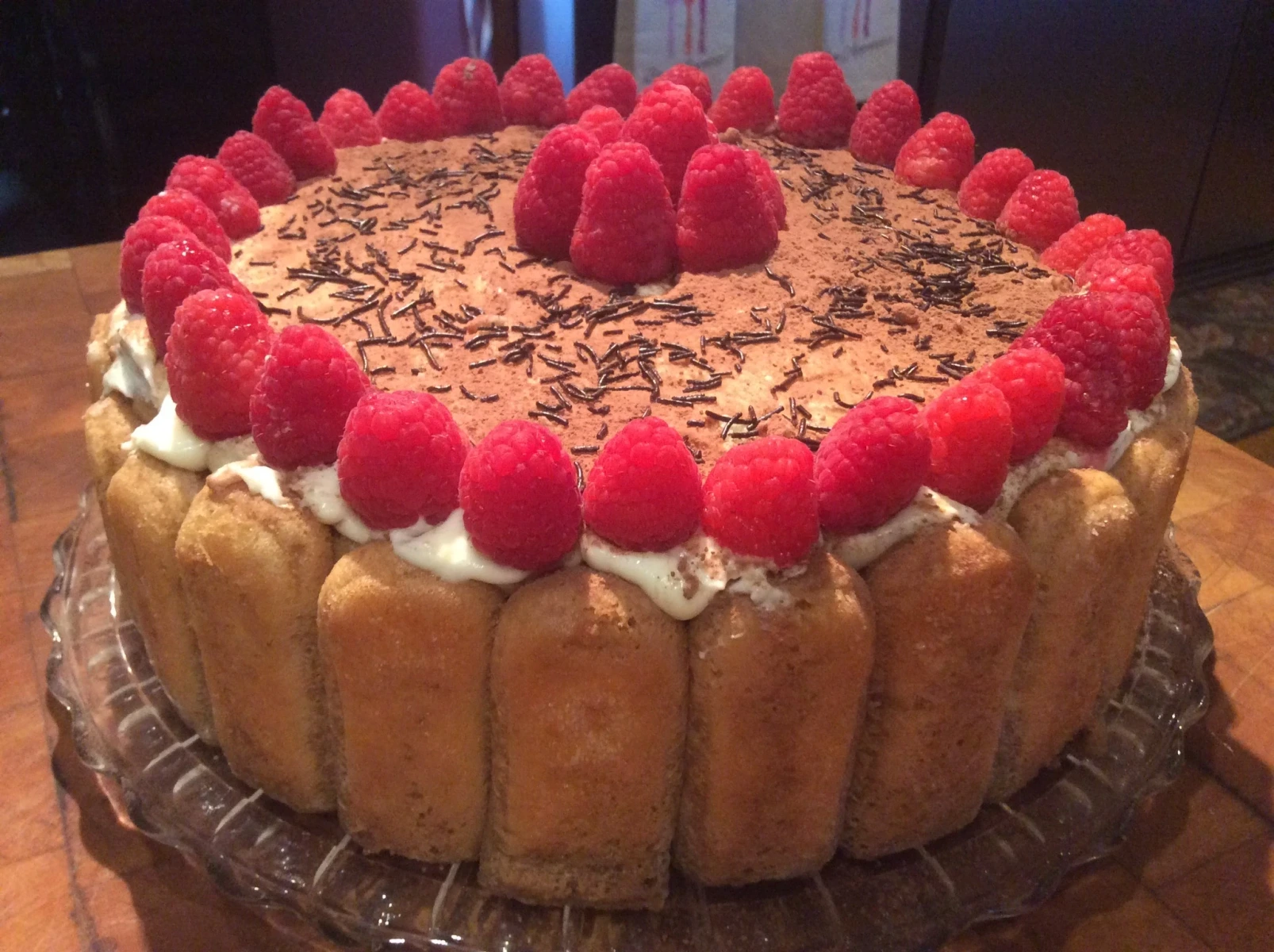


We loved the result .
I tried this ‘Turtle cheesecake’ today. I made it with the ingredients I had and it worked perfectly.
This ‘Turtle cheesecake’ looks amazing. I'll make it again this weekend. We all loved it.