
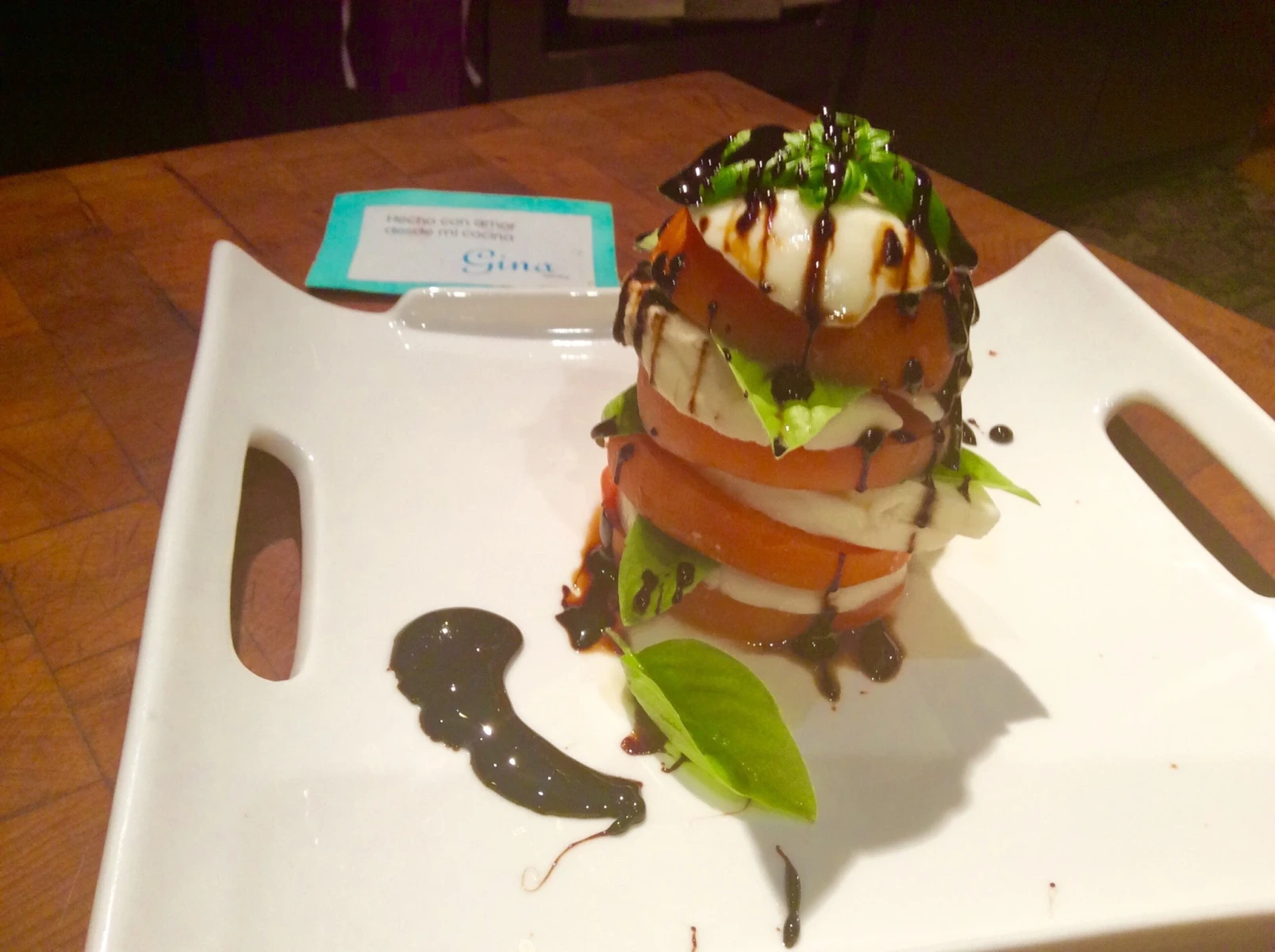
Recipe for Fresh and Classic Caprese Salad
Hello! We are going to prepare one of the most iconic dishes of home cooking, ideal for putting together a quick and colorful appetizer. This combination of raw vegetables, soft cheese, and aromatic herbs perfectly demonstrates that you don't need to complicate things to get fantastic results. Its success lies in the balance of acidity and creaminess.
Preparation time
To organize ourselves better in the kitchen, here are the calculated times so you can have this dish ready without rushing and make better use of your ingredients.
- Preparation: 10 minutes
- Cooking: 0 minutes
- Total: 10 minutes
- Servings: 2
- Difficulty: Easy
Ingredients
- Ripe tomatoes or cherry tomatoes: 500 g
- Fresh mozzarella (fior di latte or bocconcino): 120 g
- Fresh basil leaves: 1 small bunch
- Extra virgin olive oil: 3 tablespoons
- Flaky salt or coarse salt: to taste
- Freshly ground black pepper: to taste
- Balsamic vinegar: 2 tablespoons (Optional)
- Dried oregano: to taste (Optional)
If you don't have fresh whole milk mozzarella, you can replace it with pieces of burrata cheese if you prefer a more liquid interior texture, or even use slices of ripe avocado if you are looking for a dairy-free version. When switching to avocado, keep in mind that it will provide a different flavor, so adjusting the salt a bit more will be essential to maintain balance.
Utensils we will use
- Sharp chef's knife or serrated vegetable knife
- Tabla de cortar firme
- Wide platter or large flat plate for serving
- Kitchen paper towels
- Tablespoon for measuring liquids
How to Make Caprese Salad
- Lavar y secar los ingredientes: Rinse the tomatoes and basil leaves under cold tap water to remove any impurities. Dry both ingredients with very gentle pats using absorbent paper. It is essential to dry them well to prevent residual water from diluting the subsequent dressing.
- Cut the red vegetables: Take the tomatoes and cut them into uniform crosswise slices of approximately half a centimeter thick. Maintaining an even size is key so that when serving, each bite offers the same amount of pulp. If you notice the skin is somewhat resistant, use a serrated knife to avoid crushing the inside.
- Slice the dairy portion: Remove the mozzarella from its preserving liquid and remove excess moisture by pressing lightly with kitchen paper. Cut it into slices, maintaining the same thickness you applied to the tomatoes. If you notice it is very soft and breaks when cutting, a useful step is to submerge it in ice water for a few seconds to firm up its structure before passing the knife.
- Arrange the slices: On the chosen flat platter, begin by placing a slice of tomato, immediately followed by a slice of mozzarella, and then arrange a basil leaf. Repeat this sequence in a spiral shape or in a straight line along the plate, ensuring that all colors are partially visible.
- Season the base: Sprinkle salt and black pepper from above, estimating about twenty centimeters above the plate. This movement helps the crystals fall evenly over the entire surface, allowing the red pulp to begin releasing its natural juices to mix with the dressing.
Pour extra virgin olive oil in a thin, continuous stream directly over the assembled dish. If you decided to use balsamic vinegar, this is the moment to add just a few drops to the surface. Serve immediately to make the most of the freshness of the ingredients before the cheese loses firmness due to the salt. Accompany it with some good slices of homemade toasted bread so as not to waste the liquids that settle at the bottom.
Nutritional Information
- Calories: 261 kcal
- Protein: 14 g
- Fats: 20 g
- Carbohydrates: 8 g
- Fiber: 1 g
These values represent nutritional estimates per serving and may vary depending on the size of the vegetables, the exact type of dairy chosen, and the generosity when applying the oils.
4 common mistakes and how to avoid them
Achieving optimal results with preparations using few ingredients requires paying extreme attention to basic details. Often, the simplest recipes are the easiest to spoil if we do not respect the nature of the raw material. Let's review the most common mistakes that occur in daily cooking and how to correct them effortlessly.
1. Using cold vegetables from the fridge: Intense cold numbs the enzymes responsible for providing aroma and sweetness to fruits and vegetables. When assembling this Italian dish, it is vital to take the ingredients out of the refrigerator at least an hour before. We need them to be at room temperature to perceive all their nuances on the palate.
2. Seasoning too far in advance: La sal funciona mediante ósmosis, lo que significa que extrae rápidamente los líquidos internos de los vegetales. Si aplicas sal horas antes de sentarte a la mesa, el fondo de tu fuente se llenará de agua, arruinando la textura firme del queso. Deja el aderezo estrictamente para el momento en el que el plato toque la mesa.
3. Abusar de las reducciones oscuras: Agregar grandes cantidades de balsámico es tentador por su potente sabor dulce y ácido. Sin embargo, su color tiñe los demás componentes y su intensidad anula por completo la delicadeza láctea. Úsalo con mucha moderación, solo como un contraste sutil. En ocasiones, puedes ofrecer paralelamente una arugula and pear salad para quienes busquen un perfil de sabor más complejo y afrutado, dejando nuestra preparación principal en su estado puro.
4. Maltratar las hierbas aromáticas: Cortar la vegetación con cuchillos sin filo rompe las fibras celulares y oxida rápidamente los bordes, volviéndolos negros y de sabor amargo. Lo más recomendable es utilizar las hojas tiernas enteras. Si son muy grandes y debes trocearlas, hazlo pellizcándolas suavemente con las yemas de los dedos justo un segundo antes de acomodarlas sobre el resto de los ingredientes.
When is it ideal to enjoy it?
This composition shines particularly during the warm months, where the quality of the red berries from the garden reaches its maximum splendor of flavor and texture. It is an extraordinary appetizer to whet the appetite before a hearty pasta dish or roasted meats, providing a necessary lightness. At family gatherings and outdoor meals in this 2026, it proves to be a very practical alternative because you can cut everything in advance, seal it hermetically, and assemble it in a couple of minutes in front of your guests.
Besides being an unbeatable fresh starter, it works perfectly as a quick midday meal if you're looking for something nutritious that won't leave you with stomach heaviness. If you wish to turn the occasion into a complete experience, accompany it with freshly baked rustic bread and a glass of white wine well chilled. It also harmonizes impeccably with dishes that share that Mediterranean profile, such as a quinoa salad with roasted sweet potato and goat cheese, creando un menú de contrastes entre temperaturas, texturas crujientes y notas terrosas que encantará a cualquier comensal.
Comparison table
| Recipe | Key ingredients | Diferencia / ventaja |
|---|---|---|
| Caprese Salad | Tomato, fresh mozzarella, basil | Destaca por ser minimalista, resaltando la cremosidad y el sabor puro de sus componentes crudos. |
| Panzanella florentina | Pan duro, tomate, cebolla roja, vinagre | Aprovecha el pan duro para absorber jugos, ofreciendo un perfil más rústico y saciante. |
| Ensalada Griega tradicional | Cucumber, tomato, feta cheese, olives | Ofrece mayor acidez y un perfil más salino gracias al queso curado y a las olivas oscuras. |
| Burrata con tomates asados | Queso burrata, tomates cherry confitados, ajo | Juega con contrastes de temperatura y ofrece un interior lácteo completamente líquido. |
| Pico de Gallo | Jitomate, cebolla blanca, chile serrano, cilantro | Es intensamente picante, con cortes muy finos, ideal para usar como guarnición o salsa. |
| Ensalada Tricolore | Rúcula, radicchio, endivias, lascas de parmesano | Se enfoca en hojas amargas crujientes y quesos madurados duros, prescindiendo de frutos jugosos. |
| Cold Pasta Mediterranean | Pasta corta tipo fusilli, bocconcini, tomates secos | Incluye una base fuerte de carbohidratos, transformando el entrante en un plato principal contundente. |
Frequently asked questions
Share your experience
La cocina es para experimentar y compartir. ¡Deja tu comentario y comparte tus propios ajustes! Me entusiasma muchísimo saber cómo resolviste cada paso en tu propia casa, si aplicaste otras combinaciones de hierbas aromáticas o si descubriste un pan rústico inmejorable para no dejar ni una gota de jugo en el plato.
Culinary glossary
Fior di latte: Queso fresco italiano de pasta hilada elástica, muy similar en técnica y apariencia a la variante original de búfala, pero elaborado exclusivamente con leche entera pasteurizada de vaca.
Bocconcino: Porción pequeña y esférica de queso fresco, con un tamaño que oscila entre el de una cereza grande y un huevo de codorniz, perfecto para repartir en platos sin necesidad de cortarlo.
Dress: Proceso de incorporar aderezos, sales, elementos grasos y ácidos a una base alimenticia cruda o cocinada con la finalidad de realzar, armonizar o potenciar sus sabores propios.
Ósmosis: Fenómeno físico mediante el cual un soluto (como los cristales de sal) atrae hacia la superficie la humedad contenida en el interior de los tejidos celulares de un alimento.
Reduction: Técnica que consiste en aplicar fuego muy suave a un líquido (como un vinagre o caldo) para evaporar su agua, logrando que sus azúcares y sabores se concentren hasta obtener una textura de jarabe espeso.
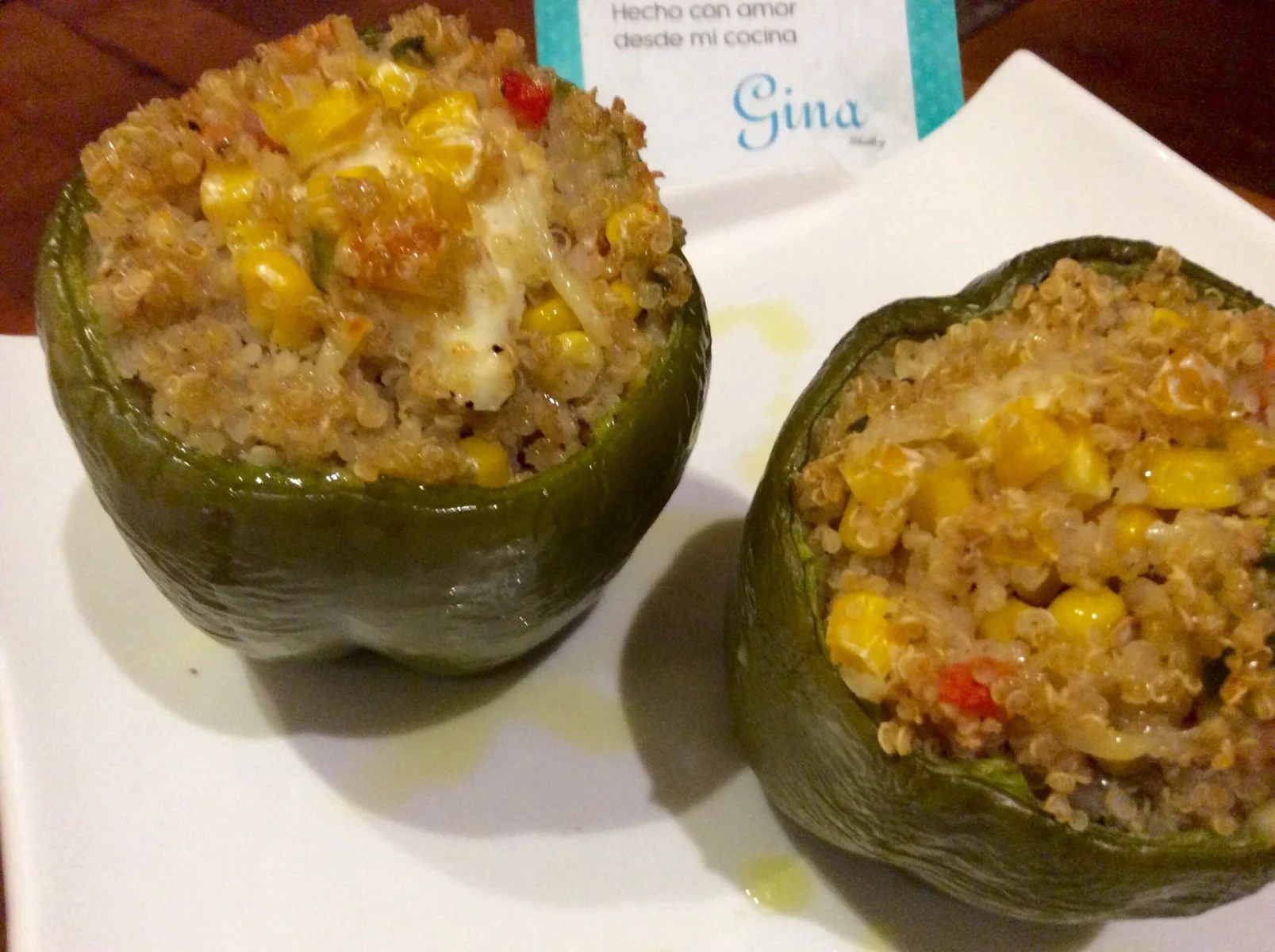
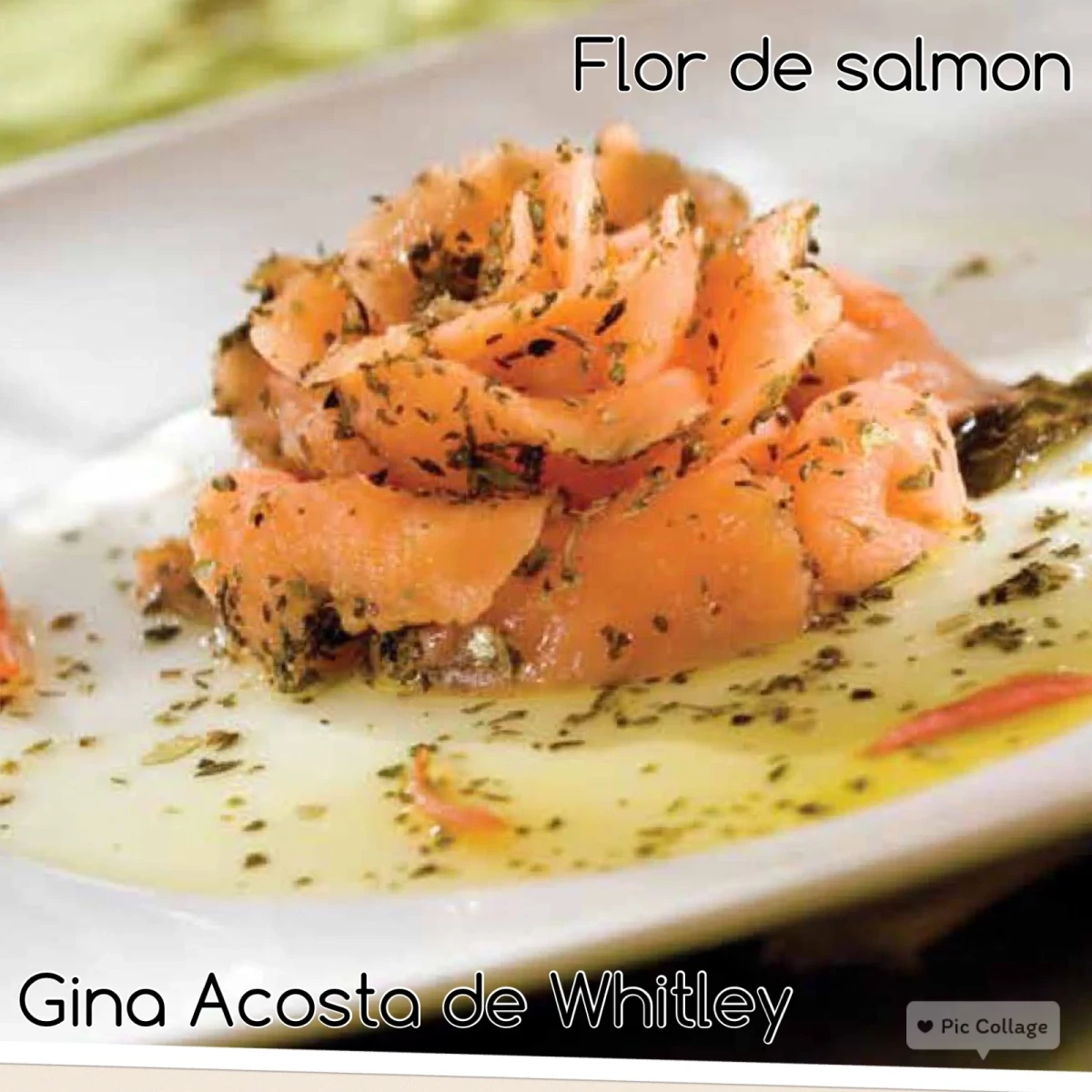
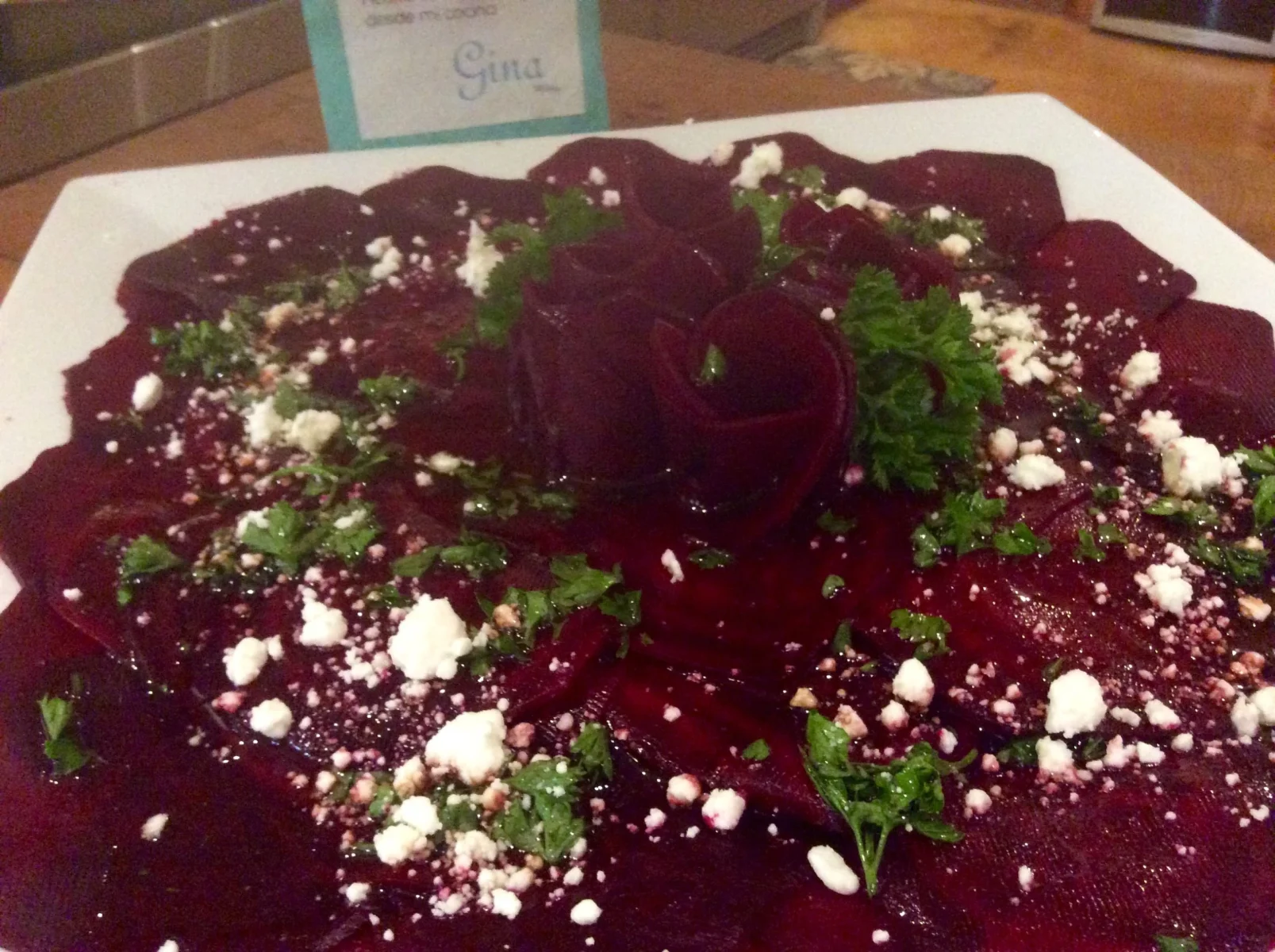
This ‘Caprese Salad’ turned out better than I expected. I followed the steps and it worked on the first try.
I prepared it exactly as this ‘Caprese Salad’. I will make it again this weekend. A thousand thanks for the recipe.
Perfect for sharing. I took it to a meeting and it flew off the table.